
Blockade Enters Third Month
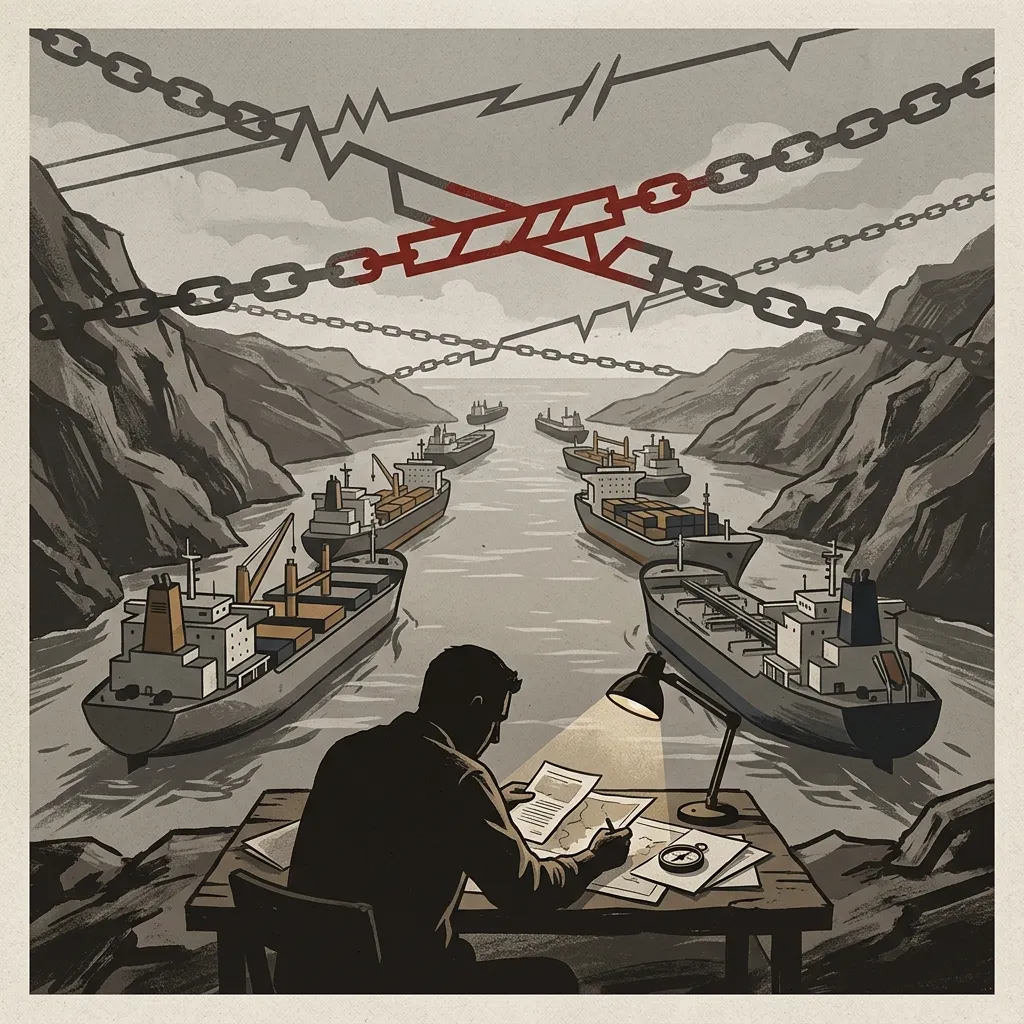
The United States is examining a new proposal from Iran regarding the reopening of the Strait of Hormuz, a critical maritime chokepoint that has been closed for approximately two months. The waterway, through which roughly one-fifth of the world's traded oil passes, has been blockaded since what sources variously describe as the beginning of a war or offensive.
Competing Narratives on the Conflict's Origins
Sources differ significantly in characterizing how the current crisis began. The Hindu describes Iran as having "blockaded the waterway" following "the start of the U.S.-Israeli offensive two months ago," explicitly attributing the military action to Washington and its ally. In contrast, Brazilian publication Folha de S.Paulo references "the beginning of the war" without specifying which party initiated hostilities. RT frames the situation around Iran's actions, focusing on Tehran's control of the strait rather than the conflict's origins.
Details of Iran's Proposal
According to multiple outlets citing Axios and other sources, Iran's latest offer includes a plan to reopen the Strait of Hormuz and end the ongoing conflict. A key element of the proposal involves deferring negotiations on Iran's nuclear program to a later stage, separating the immediate crisis from the longer-term nuclear dispute.
The White House has confirmed that President Donald Trump has reviewed the Iranian proposal, though no official acceptance has been announced.
US Skepticism and Conditions
US Secretary of State Marco Rubio expressed strong reservations about the Iranian offer during a Fox News appearance. Rubio characterized Iran's use of the strait as an "economic nuclear weapon" and questioned the terms under which Tehran would reopen the waterway.
"If what they mean by opening the straits is, 'Yes, the straits are open, as long as you coordinate with Iran, get our permission, or we'll blow you up, and you pay us' – that's not opening the straits," Rubio stated, according to RT's reporting.
Rubio emphasized that Washington would not accept reopening the strait on Tehran's terms while postponing nuclear discussions. He maintained that Iran's nuclear program remains "the core issue" that must be confronted.
Nuclear Program Dispute
The New York Times, cited by RT, reported that multiple sources briefed on the discussions indicated President Trump was not satisfied with the Iranian proposal. One US official suggested that accepting the offer could be perceived as denying Trump a political victory, given his repeated public statements demanding the dismantlement of Iran's nuclear program.
For its part, Tehran has consistently stated it does not seek to acquire nuclear weapons and has refused US demands to surrender its stockpile of highly enriched uranium or dismantle its nuclear infrastructure.
Economic Impact
The Hindu notes that the blockade has "sent shockwaves through the global economy," though specific economic data is not provided in the available sources. The strait's importance as a conduit for oil and gas shipments makes its closure a matter of international concern beyond the immediate parties to the conflict.
Diplomatic Activity
Al Jazeera characterizes the current moment as one where "diplomacy gathers pace," suggesting increased engagement on day 60 of the conflict. The existence of a formal Iranian proposal and its review by the Trump administration represents a potential diplomatic opening, even as substantive disagreements remain.