
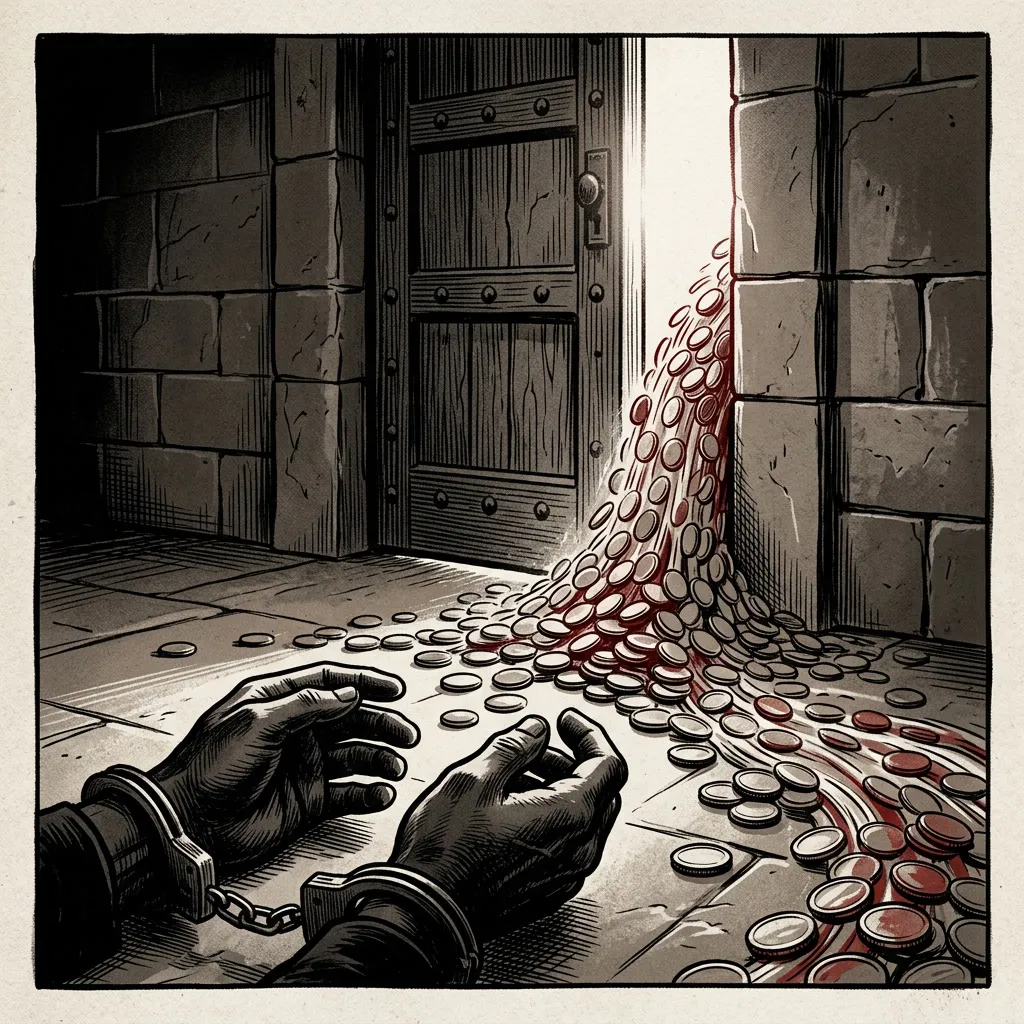
The United States Congress has passed and President Trump has signed a funding measure to end a weeks-long partial government shutdown, a crisis that disrupted federal operations and left many employees without pay. The resolution provides money for the Department of Homeland Security but explicitly excludes funding for its immigration enforcement agencies, a central point of political contention. The development concludes what sources describe as a record-breaking shutdown, though reporting on its causes, consequences, and the nature of the resolution varies significantly across international media.
BBC News frames the event as a chaotic political feud with direct public impact. Its report emphasizes the disruption caused, specifically noting "chaos in airports across the US." The outlet directly links the shutdown's cause to a dispute over funds for what it terms "Trump's immigration crackdown," a phrasing that carries a critical connotation. The resolution is presented as the president signing a bill to end this record shutdown, with the underlying immigration policy debate positioned as the core driver of the crisis.
Al Jazeera provides a more procedural account, headlining the passage of a law to resume DHS funding. Its framing focuses on the human and institutional cost, stating the shutdown left "many federal workers without pay." A key factual detail it highlights, not explicitly mentioned by the BBC, is that the signed funding measure "excludes ICE" (Immigration and Customs Enforcement). This specifies the excluded component, moving from the BBC's broader "immigration crackdown" to a particular agency. Al Jazeera's tone is descriptive, labeling the situation a "crisis" but without the BBC's evocative language of "chaos."
Le Monde offers a legislative-focused narrative, detailing that "the House voted Thursday to fund much of the Department of Homeland Security." Similar to Al Jazeera, it specifies the exclusion, noting the funding does not cover "its immigration enforcement operations." The French publication characterizes the shutdown as one of "record" length and attributes its duration to "weeks of delay," a phrasing that suggests legislative process failure rather than solely a policy feud. Its reporting is anchored in the congressional action that preceded the presidential signature.
Framing the Conflict The sources agree on the basic outcome: a funding bill was passed and signed, ending a shutdown by funding DHS while withholding money from immigration enforcement. However, they diverge sharply in narrative emphasis. BBC News crafts a story of public disruption and a policy-driven "feud," using charged language ("crackdown," "chaos") that paints a vivid picture of domestic turmoil. In contrast, Al Jazeera and Le Monde adopt a more institutional and procedural frame. They report the exclusion of ICE or enforcement operations as a key detail of the bill itself, whereas the BBC presents it as the root cause of the political fight. Le Monde further differs by focusing on the legislative timeline ("weeks of delay") and the specific House vote, offering a more inside-Washington perspective compared to the BBC's focus on external consequences like airport disruptions.
In conclusion, the end of the shutdown is reported as a temporary political resolution that leaves the fundamental policy dispute over immigration enforcement explicitly unresolved, as the excluded funding demonstrates. The broader implication, drawn from the sources, is a U.S. government where core functions remain vulnerable to deep ideological divides, with federal workers and public services bearing the immediate cost. The varied international coverage reflects whether the story is seen primarily through the lens of domestic upheaval, bureaucratic procedure, or legislative stalemate.