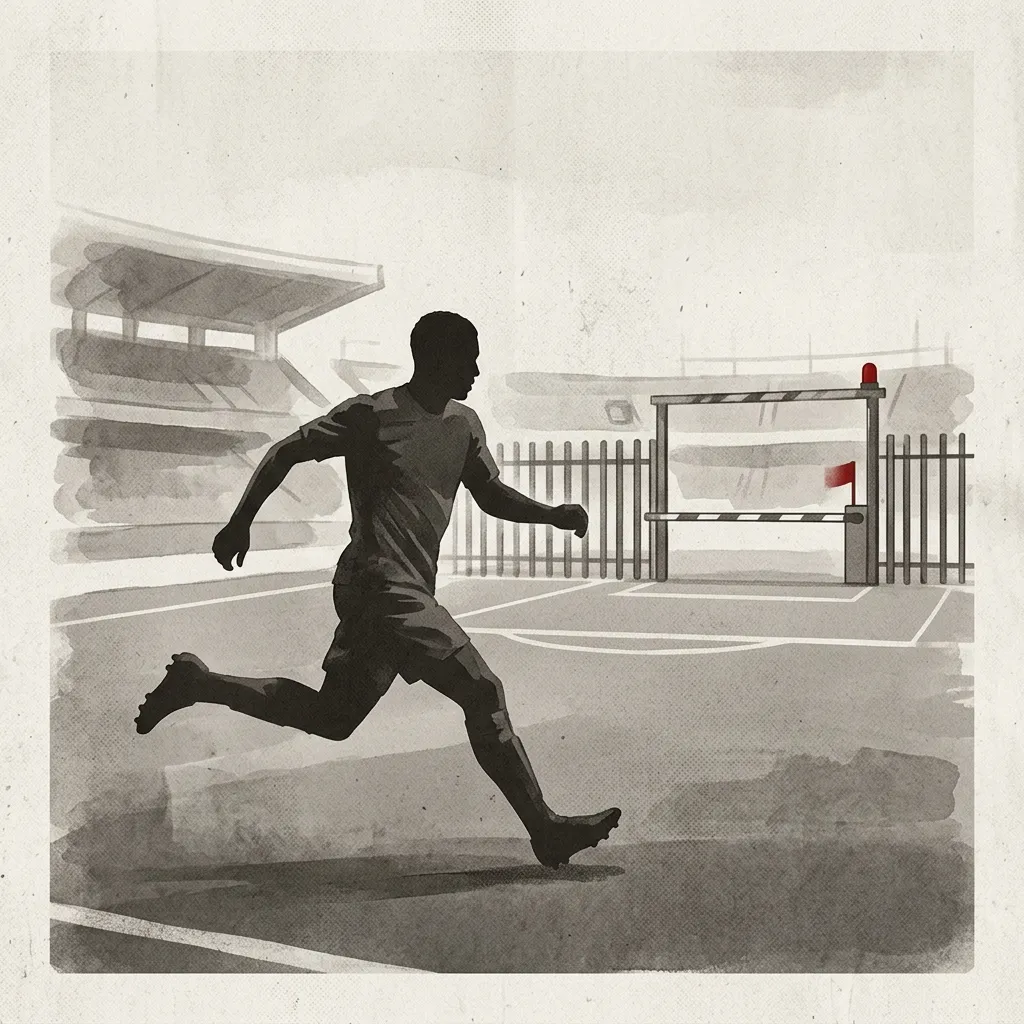
The United States has clarified its position on Iran's participation in the 2026 FIFA World Cup, which will be co-hosted by the US, Canada, and Mexico. Secretary of State Marco Rubio stated that Washington has not prohibited the Iranian national football team from competing in the tournament, but emphasized restrictions will apply to individuals with connections to Iran's Islamic Revolutionary Guard Corps.
Official US Position
Addressing reporters, Rubio explicitly stated that nothing from the US government has communicated to Iranian authorities that their team cannot participate. According to reports, President Donald Trump reinforced this stance, indicating his administration would prefer not to impact athletes. The framing suggests a distinction between the Iranian team as a whole and specific individuals who may have organizational ties to the IRGC.
The IRGC, designated as a foreign terrorist organization by the United States in 2019, remains a central element of Iran's military and political structure. The US policy appears designed to allow Iranian athletic participation while maintaining restrictions on individuals affiliated with entities Washington considers security threats.
Regional Reporting Variations
Middle Eastern coverage, as reflected in Al Jazeera's reporting, frames the issue through language emphasizing restrictions. The outlet's headline highlights that the US "bars those with 'IRGC ties,'" placing quotation marks around the phrase in a way that draws attention to the terminology itself. This framing foregrounds the conditional nature of Iran's participation and the restrictions imposed.
Indian media coverage, represented by The Hindu, adopts different emphasis in its presentation. The outlet leads with the US stating it "does not object" to Iranian participation, a formulation that frames the story more around permission granted than restrictions imposed. The Hindu's headline structure presents the allowance first, followed by the caveat about IRGC-connected individuals.
Both sources cite the same core statements from Rubio, but their editorial choices in headline construction and story framing reflect different angles on the same policy announcement. One emphasizes what is being restricted; the other emphasizes what is being permitted.
Practical Implications
The policy creates potential complications for Iran's World Cup preparations. Determining which players, coaches, or staff members might fall under the IRGC-connection criterion remains unclear from the available statements. In Iran, the IRGC's extensive involvement in national institutions means connections can range from direct military service to indirect organizational relationships.
The 2026 World Cup represents a significant sporting event for participating nations, and Iran has qualified for multiple previous tournaments. The US clarification appears aimed at addressing concerns that arose regarding whether Iran would face a blanket ban from competing on American soil, given ongoing tensions between Washington and Tehran.
Trump's reported comment about not wanting to affect athletes suggests awareness of potential criticism that political disputes should not prevent sporting competition. However, the administration maintains its position on restricting entry for individuals it considers connected to designated organizations.
Unanswered Questions
Neither source provides detail on how the US will determine IRGC connections, what evidence threshold will be required, or whether Iran has responded to the policy clarification. The practical implementation of screening players and staff members remains unaddressed in current reporting. Additionally, whether FIFA has been consulted or has taken a position on these entry restrictions is not mentioned in available coverage.
The announcement comes amid broader US-Iran tensions, though the sources do not elaborate on the current state of bilateral relations or whether this sports-related policy connects to wider diplomatic developments.