
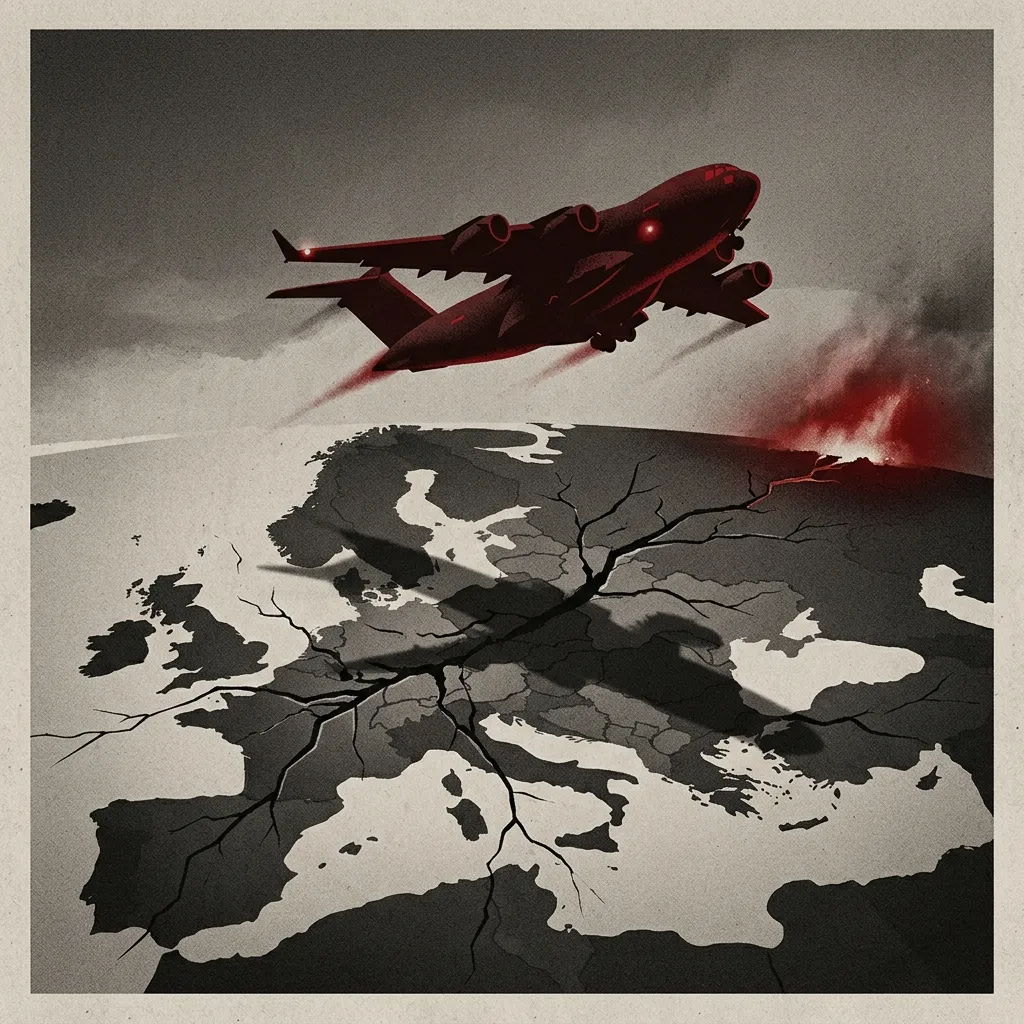
The Pentagon has ordered the withdrawal of approximately 5,000 U.S. troops from Germany, a move framed by multiple sources as a direct consequence of diplomatic friction between Washington and European allies over the ongoing conflict in Iran. While the reduction is described as relatively minor, leaving about 33,000 U.S. personnel in the country, the decision has sparked analysis of its implications for transatlantic relations and regional security. The withdrawal is expected to be completed within six to twelve months.
European and U.S. Perspectives European sources, such as Politico Europe, frame the withdrawal as the execution of a threat made by U.S. President Donald Trump following disputes with German leadership. The report notes that the decision surprised Pentagon officials, who were reportedly unaware such a pullback was being considered prior to the president's social media post. It contextualizes the drawdown against a larger troop buildup initiated under President Joe Biden in response to Russia's invasion of Ukraine, suggesting the net reduction from peak levels is limited. Politico also cites internal U.S. dissent, quoting a former Republican national security adviser who argued the move would primarily harm U.S. interests and benefit adversaries like Russia by weakening deterrence and power projection capabilities. The BBC similarly links the decision to a "row" between allies over Iran, using concise, factual language typical of its reporting.
Global Framing of the Dispute Sources from other regions emphasize the diplomatic conflict as the central catalyst. India's The Hindu specifies that Trump's threat followed a dispute with German Chancellor Friedrich Merz, who is reported to have said Iran was humiliating the U.S. in talks and questioned Washington's exit strategy. This framing highlights the personal and strategic dimensions of the disagreement. Latin American outlet Clarin characterizes the move as one that "deepens the confrontation with Europe," explicitly linking it to struggles with European countries and NATO over the Middle East war. Channel News Asia from Singapore notes Trump's history of making such threats during both his terms, framing the current action as part of a recurring pattern of tension with European allies over burden-sharing. Al Jazeera, based in the Middle East, also centers the narrative on a "feud" stemming from European "reluctance to step up support" for the war on Iran.
Framing the Strategic Context The sources diverge significantly in how they contextualize the withdrawal's strategic importance. Politico Europe provides the most detailed military and strategic analysis, noting that the Pentagon's recent global posture review did not call for a major European withdrawal but did pledge to shift more assets to the Western Hemisphere and Pacific. It further assesses that the withdrawals from Germany and Romania should not have a major effect on European security, given increased NATO defense spending. This framing presents the move as a manageable recalibration. In contrast, other sources offer less strategic detail, focusing almost exclusively on the immediate political cause—the Iran war dispute. Clarin's framing of a deepening confrontation and The Hindu's report of Merz's critical comments suggest a more significant rift in the alliance. None of the non-European sources mention the context of the prior U.S. buildup in Europe related to Ukraine, presenting the withdrawal as a standalone action driven by the Iran conflict.
Synthesis of Broader Implications The synthesis of reporting indicates a consensus on the proximate cause—tensions over the Iran war—but reveals a spectrum of interpretations regarding its severity and long-term meaning. European reporting, while noting the political friction, incorporates countervailing views and downplays the immediate security impact, potentially reflecting a desire to minimize alarm. Reporting from Asia, Latin America, and the Middle East tends to present the event more starkly as a symptom of a deepening transatlantic schism, with less emphasis on mitigating factors like the remaining troop presence or allied military spending. The absence of the Ukraine context in most non-European reports narrows the narrative, presenting U.S. strategy as primarily reactive to Middle Eastern policy disagreements rather than part of a broader global posture review. This divergence suggests that while the fact of the withdrawal is uniformly reported, its representation as either a tactical political gesture or a strategic inflection point varies by regional perspective and editorial focus.