
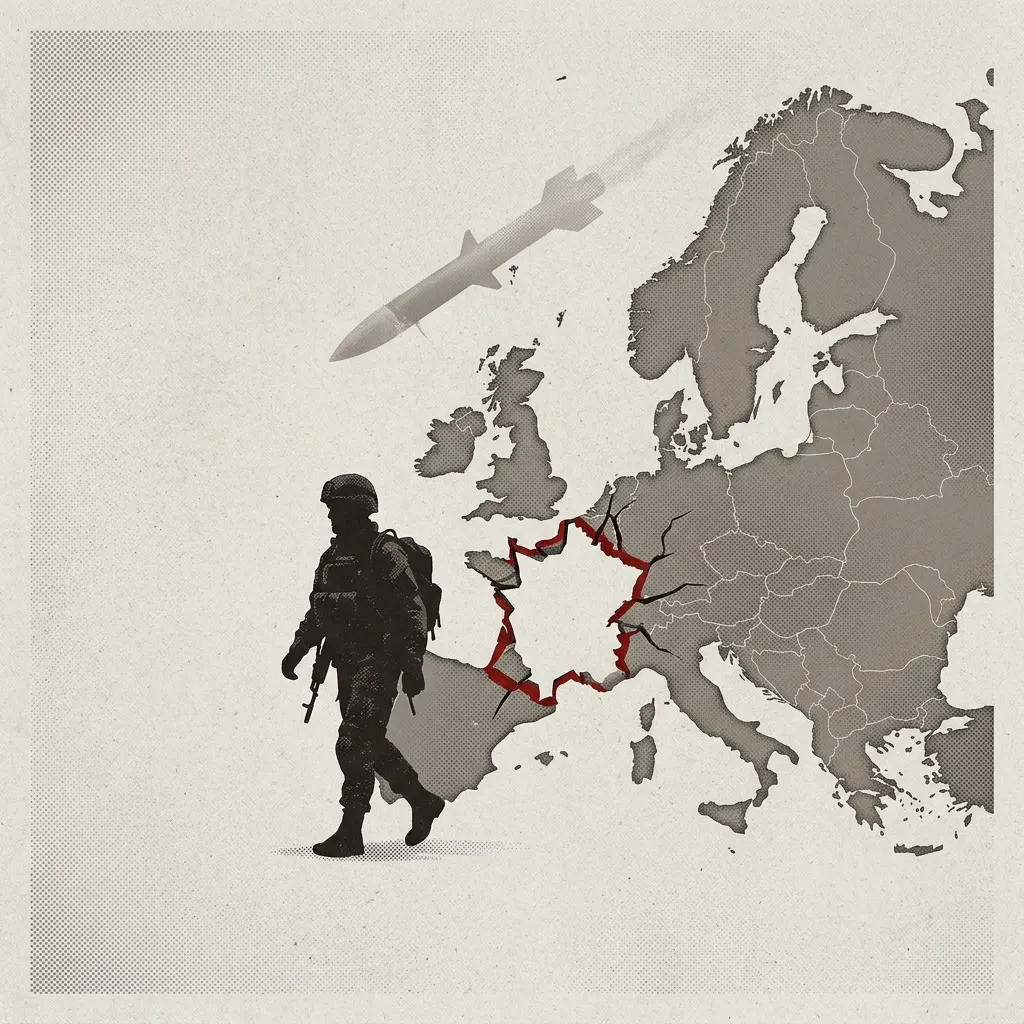
A planned U.S. deployment of long-range missiles to Germany has been effectively canceled following President Donald Trump's decision to reduce American troop levels in the country, according to multiple reports. The move leaves a significant gap in NATO's non-nuclear deterrence posture against Russia and forces European allies to reconsider their defense options, with regional sources offering differing perspectives on the causes and implications.
European Perspective: A Dangerous Deterrence Gap Reporting from Politico Europe frames the cancellation as a direct and dangerous consequence of the U.S. troop withdrawal. The publication states that a specialized unit from the U.S. Army’s Multi-Domain Task Force, which was expected to bring Tomahawk cruise missiles to Europe, is among the forces slated to leave. This deployment, initially promised by former President Joe Biden in 2024, was intended as a direct counter to Russia's stationing of Iskander short-range ballistic missiles in Kaliningrad since 2018. A senior NATO diplomat is quoted emphasizing that Europe still lacks equivalent long-range strike capabilities. German officials and analysts cited express concern, labeling the situation a "deterrence gap" that leaves Germany vulnerable to potential coercion from Moscow. The report details Germany's limited options: upgrading its domestic Taurus missile (with a successor, Taurus Neo, not available until after 2030), attempting to purchase U.S. systems outright, or participating in a pan-European long-range strike initiative with a timeline extending into the 2030s. A German defense expert is quoted arguing that the scramble highlights Europe's own "obliviousness and incompetence" as a core security threat.
Russian Narrative: Stockpile Issues, Not Political Spat The Russian state-funded outlet RT presents a different primary cause for the deployment's delay. Its report centers on statements from German Chancellor Friedrich Merz, who is quoted insisting the indefinite postponement "had nothing to do with his row" with President Trump. Instead, Merz attributes the holdup to inadequate U.S. stockpiles, stating "The Americans themselves don't currently have enough." The RT article supports this claim by referencing a late March CBS News report that the U.S. had used over 850 Tomahawk missiles in the conflict with Iran, depleting inventories far faster than they can be replenished. While the report acknowledges the political dispute between Merz and Trump—which involved the German leader questioning the U.S. approach to the Iran war—it downplays this as the decisive factor, framing the stockpile issue as the objective, logistical reason for the change in plans.
Framing the Conflict: Political Retribution vs. Logistical Reality The core divergence between the European and Russian narratives lies in the attribution of causality. The Politico Europe report strongly implies a link between the troop/missile withdrawal and the political clash between Trump and Chancellor Merz, suggesting the move "upends Berlin's strategic thinking" as a form of retribution. It frames the outcome as a self-inflicted wound to alliance cohesion and European security driven by Washington's political decisions. Conversely, the RT narrative actively seeks to decouple the missile issue from the diplomatic rift, presenting it as an unavoidable result of material constraints from the Iran war. This framing minimizes the appearance of NATO discord and instead highlights U.S. military overextension and resource limitations.
Broader Implications for Transatlantic Security Regardless of the cited cause, the cancellation of the Tomahawk deployment underscores a significant vulnerability in European defense. Both sources agree that Europe lacks an immediate, indigenous capability to match the range and potency of the systems that were promised. This development accelerates discussions about European strategic autonomy, but also exposes the long timelines and technical hurdles involved in achieving it. The situation places immediate pressure on Germany and NATO to find near-term solutions to a deterrence imbalance that has been highlighted for years. The episode serves as a case study in how changes in U.S. political leadership and military priorities can rapidly alter the European security landscape, forcing allies to confront hard choices between reliance on a potentially unpredictable partner and the costly, slow pursuit of independent capabilities.