
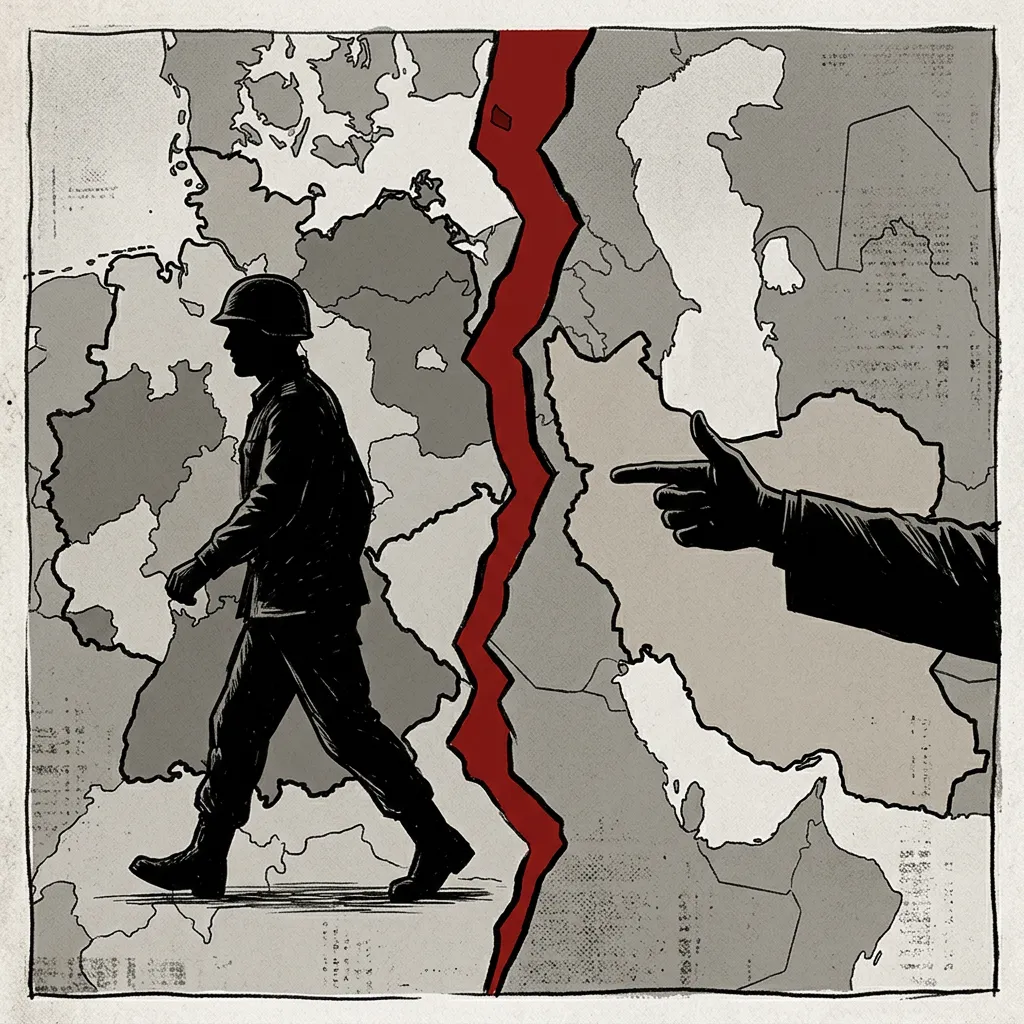
A diplomatic dispute between the United States and Germany escalated this week after U.S. President Donald Trump threatened to reduce American troop levels in Germany. The threat was a direct response to German Chancellor Friedrich Merz’s public criticism of U.S. strategy in the ongoing conflict with Iran, which he described as leading to American humiliation. The exchange has exposed deep fissures in the transatlantic alliance, with European sources framing the threat as a destabilizing shock to military planning and a potential boon to Russia.
The Spark: Criticism and Retaliation
The conflict began when Chancellor Merz, speaking to a high school audience, stated that the United States was being "humiliated" by Iran at the negotiating table and lacked a clear strategy. This critique, reported across all sources, struck a nerve with the U.S. president. In a post on his Truth Social platform, Trump fired back, telling Merz to focus on ending the war in Ukraine—where he was described as "totally ineffective"—and on fixing domestic German issues like immigration and energy. He concluded that the chancellor should spend "less time on interfering with those that are getting rid of the Iran Nuclear threat." Russian outlet RT highlighted this rebuttal, framing it within the context of Germany's substantial military aid to Ukraine, which Moscow condemns for prolonging hostilities.
The Escalation: Troop Withdrawal Threats
Trump’s social media post contained not just a rebuke but a significant policy threat: the potential withdrawal of U.S. troops from Germany. Latin American newspaper Clarin summarized the threat as involving the removal of nearly 40,000 soldiers. European sources, particularly Politico Europe, provided extensive detail on the immediate fallout within defense circles. According to their reporting, the announcement "stunned" Pentagon officials, who had received no prior warning and were not planning any such drawdown. A months-long review of the global U.S. troop footprint had just concluded without recommending major pullbacks from Europe. A congressional aide noted that while previous threats had not materialized, officials "have to take him seriously" due to his history, referencing an unfulfilled 2020 order to withdraw 12,000 troops.
German Reaction and Strategic Calculus
German officials, according to Politico, reacted with "surprise" to the posts, especially as they came just after what were described as productive military talks in Washington. Chancellor Merz attempted to downplay the rift, insisting at a German training ground that the strategic relationship remained strong and that cooperation with the U.S. and NATO continued "side by side." An analysis from Politico Europe suggests Merz had been walking a diplomatic tightrope for months, bending further than most European leaders to stay in Trump's favor while facing domestic pressure to criticize the unpopular Iran war. His recent comments, however, appear to have jeopardized that delicate balance. German political figures expressed skepticism that a rapid withdrawal was feasible, with one lawmaker arguing it would "weaken the operational capabilities of the U.S. military worldwide."
Framing the Transatlantic Rift
The sources diverge significantly in how they contextualize the confrontation. RT, the Russian source, frames the exchange primarily through the lens of the Ukraine conflict. It emphasizes Trump’s directive for Merz to end that war and details Germany's role as a major arms supplier, noting Russia's position that such aid only prolongs fighting. This framing sidelines the Iran dispute and focuses on European security tensions favorable to a Russian narrative.
In contrast, the European and Indian sources center the dispute on the Iran war and its repercussions for NATO cohesion. Politico and BBC portray Trump’s threat as part of a pattern of "anti-European rhetoric" and "hostage diplomacy" that is straining the alliance. They detail the practical and strategic consequences of a withdrawal, noting Germany's role as a hub for U.S. European and African commands, a major hospital site, and critical training ranges. The reporting suggests the threat has made European allies "even more sick" of U.S. pressure and is pushing them to plan for operations, like reopening the Strait of Hormuz, without American involvement.
The reporting also highlights the domestic political pressures on Merz. Politico Europe notes his criticism of the Iran war stems partly from its "serious economic repercussions for Germany" and the deep unpopularity of both the conflict and Trump himself within the country. This creates a dilemma for the chancellor, who is portrayed as trying to maintain a working relationship with a volatile U.S. president for the sake of German security, even as he must answer to his own electorate.
Broader Implications for Alliance and Deterrence
The concluding analysis from European sources points to significant strategic risks. They report that European officials believe Russia is preparing to attack NATO soil in the coming years, making the U.S. troop presence in Germany a critical military deterrent. A withdrawal, therefore, is framed not merely as a bilateral punishment but as an action that could undermine the security architecture of Europe to Russia's benefit. Furthermore, the incident is seen as inflaming existing tensions within NATO, following reports that several members have denied the Pentagon access to their bases for the Iran war. While some U.S. lawmakers urged caution and sought more strategic clarity, the overarching narrative from European outlets is one of a deliberate and dangerous disruption by the U.S. president, challenging the very foundations of post-war transatlantic security cooperation.