
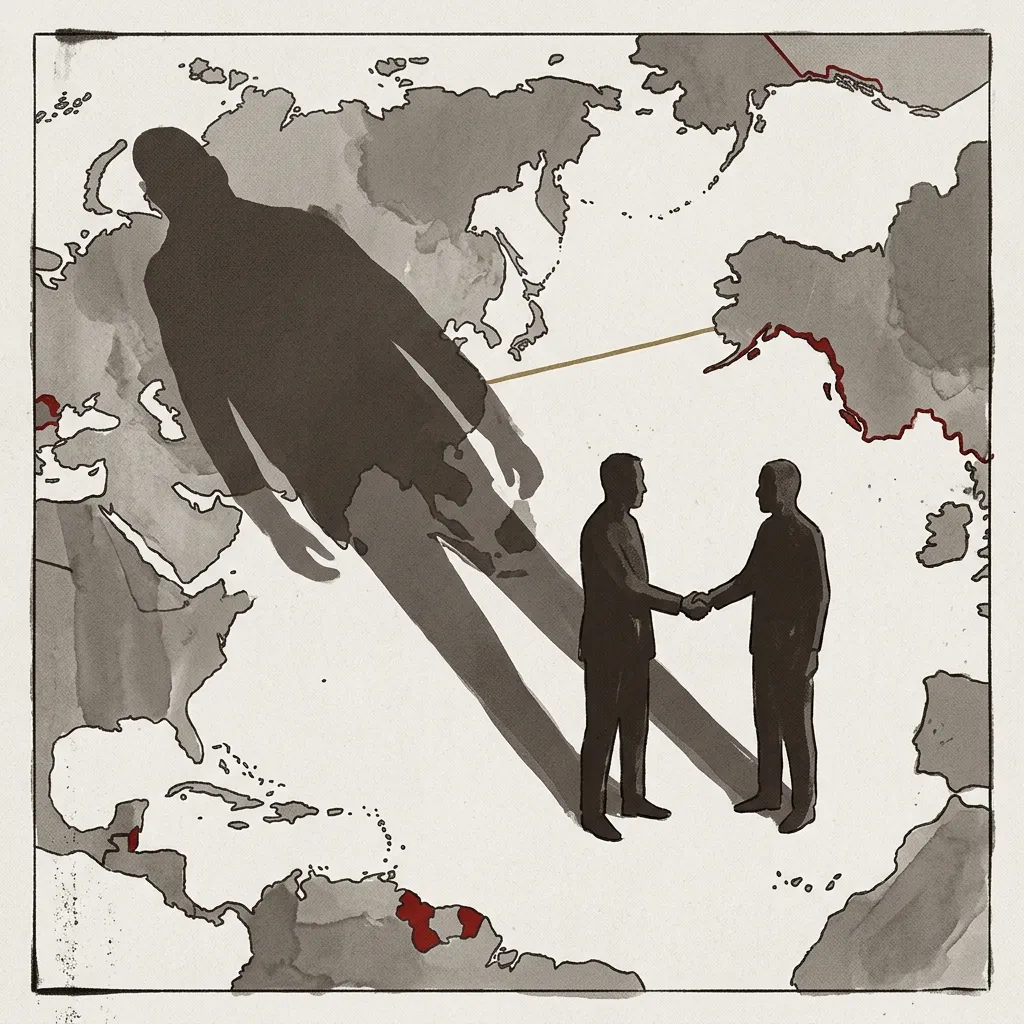
Taiwanese President Lai Ching-te has conducted a state visit to the Kingdom of Eswatini, Taiwan's sole remaining diplomatic ally in Africa, an event that has prompted a fierce rhetorical response from China and highlighted the ongoing geopolitical tensions over the island's status. The visit followed a previously canceled trip, with reports differing on the nature of Lai's travel and the significance of the diplomatic engagement.
African and Factual Reporting Africanews provides a straightforward account, framing the visit as an effort to strengthen ties with a key partner. It notes Lai's arrival was to "bolster ties with one of its few remaining diplomatic allies despite growing international pressure from China." A separate Africanews report adds context, stating the trip occurred "after an earlier trip was cancelled when several countries revoked overflight permits." This framing presents the visit as a diplomatic mission overcoming logistical hurdles, with a neutral tone regarding China's role.
Indian Source Highlights Defiance and Insult The Hindu's report foregrounds the confrontational language from both sides. Its headline describes Lai as "defiant" and notes China's characterization of him as "a 'rat'." The article directly quotes a Chinese spokesperson saying Lai's conduct is "like a rat scurrying across the street" and will be met with ridicule. It also includes Taiwan's pushback, quoting Lai's social media post that Taiwan "will never be deterred by external pressures." This source emphasizes the mutual acrimony and the symbolic battle of narratives.
Russian Source Emphasizes Secrecy and Chinese Pressure RT's coverage strongly aligns with Beijing's perspective, repeatedly describing the visit as "secret" and "unannounced." It states Lai "secretly boarded an Eswatini government aircraft" and characterizes the trip as a "stowaway-style escape farce," a phrase attributed to Chinese officials. RT provides detailed background on the canceled earlier trip, explicitly blaming Chinese pressure for causing Seychelles, Mauritius, and Madagascar to revoke overflight permits. It concludes by reiterating China's position on sovereignty and its non-renunciation of force, framing the visit as a direct challenge to the "one-China principle."
European Source on Uncertainty and Farce The BBC report focuses on the mystery and theatrical framing surrounding the trip. It notes, "It is unclear how he reached Eswatini," and highlights China's description of the visit as a "'stowaway-style escape farce'." This framing shifts attention from the diplomatic purpose of the visit to the peculiar circumstances of its execution and the derogatory labels applied by Beijing.
Framing the Conflict The sources collectively depict an event with two core, conflicting narratives. The pro-Taiwan framing, evident in Africanews and elements of The Hindu's report, presents a story of diplomatic perseverance: a leader visiting a loyal ally despite external obstacles. The pro-China framing, prominently featured in RT and reflected in the reactions reported by others, tells a story of provocation and illegitimacy: a covert, desperate act by a regional official challenging a fundamental sovereignty principle. The BBC and The Hindu act more as conduits for both narratives, with The Hindu emphasizing the heated exchange of insults and the BBC the operational secrecy.
Synthesis of Broader Implications The reporting divergence underscores the entrenched nature of the Taiwan Strait dispute. The event itself—a routine diplomatic visit between allies—becomes a potent symbol. For Taipei and its supporters, it demonstrates resilience and a commitment to maintain international relationships. For Beijing, it is an intolerable assertion of separate statehood that must be met with forceful denunciation to deter similar actions. The varied emphasis on the visit's secrecy, the cause of the initial cancellation, and the venom of the rhetorical exchange reveals how regional media lenses filter a single event through the prism of pre-existing geopolitical alignments and editorial priorities.