
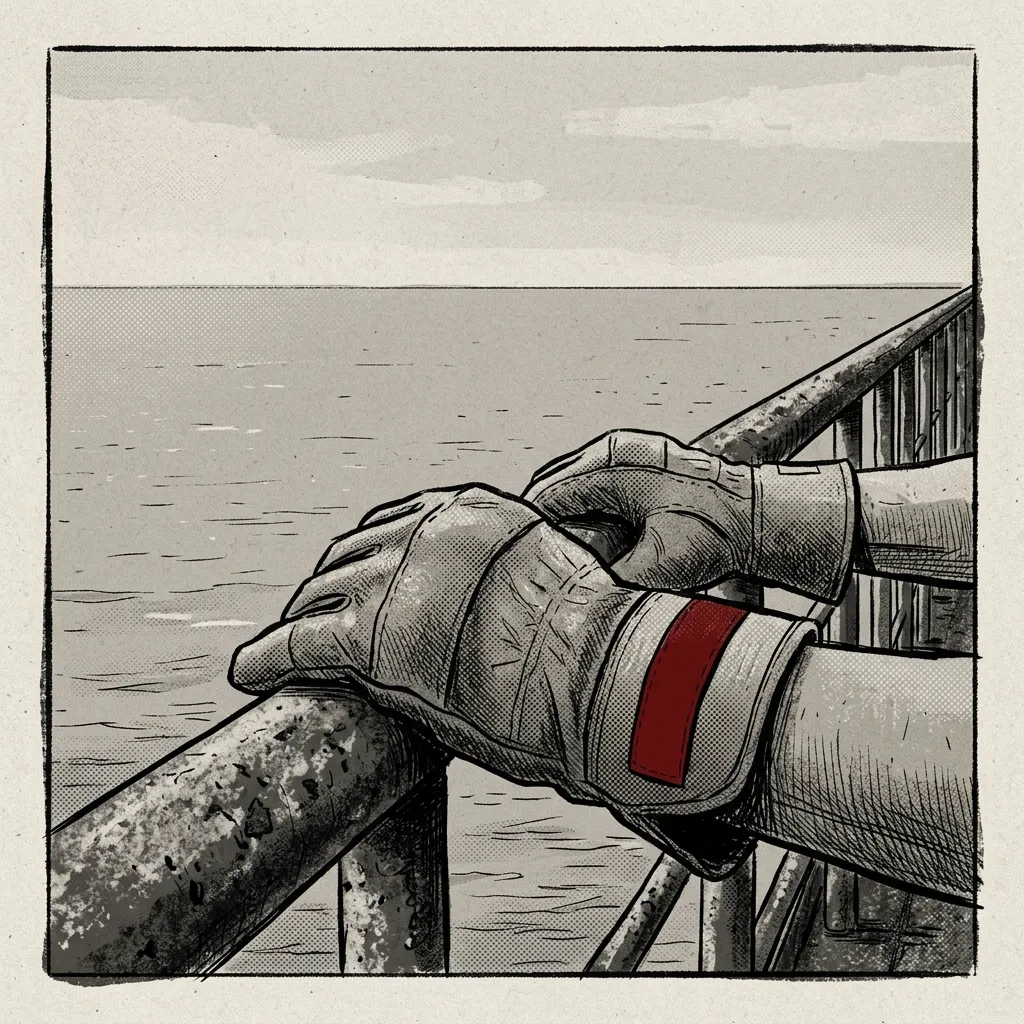
A suspected outbreak of hantavirus has left a cruise ship with approximately 150 people aboard stranded off the coast of Cape Verde, with multiple fatalities reported and emergency evacuations underway. The MV Hondius, a luxury cruise liner, has been prohibited from docking by Cape Verdean authorities, creating a complex international health and logistical crisis as officials work to manage the situation and assist those on board.
The Hindu frames the event primarily as a humanitarian and logistical impasse, emphasizing the vessel's state of limbo. The report states that no one has been permitted to leave the ship, which is waiting in the Atlantic Ocean for assistance. This framing centers on the immediate consequence of the docking ban—the trapped passengers and crew—without delving into specific casualty figures or the nationalities of those involved.
In contrast, Daily Maverick provides more detailed operational and demographic context across its two reports. One article specifies that medics were working to evacuate two symptomatic individuals and identifies the passenger composition as mostly British, American, and Spanish. Another report from the same source confirms three deaths and multiple medical emergencies, explicitly stating that passenger evacuations are set to begin. This framing presents an active crisis response, detailing both the human toll and the initiated evacuation plans.
Le Monde adopts a narrative tone, framing the incident as a dramatic reversal of fortune in its headline: "How a dream cruise turned into a health nightmare." The article provides specific medical details, attributing at least one of three passenger deaths directly to hantavirus and noting three other individuals are showing symptoms of respiratory distress. It also introduces a potential next step, reporting that the ship could head for the Canary Islands, adding a layer of geographical and political complexity to the unfolding story.
Folha de S.Paulo offers a distinct regional perspective by highlighting the voyage's origin. The Brazilian report notes that the cruise ship departed from Argentina, framing the event within a Latin American travel context. It confirms that passengers and crew remain isolated after being barred from docking due to the three deaths in a possible hantavirus outbreak. This focus on the journey's starting point provides a different narrative entry point compared to other sources.
Framing the Conflict The reporting diverges significantly in tone, focus, and detail. The Hindu and Folha de S.Paulo emphasize the static situation of isolation and the docking prohibition. Daily Maverick focuses on the dynamic response—evacuations and casualties—with a clear, factual agency-style report. Le Monde blends medical detail with a more emotive, story-driven approach, painting a picture of a luxury experience catastrophically disrupted. A key factual divergence exists regarding evacuation status: Daily Maverick reports evacuations are planned or beginning, while The Hindu describes a ship still waiting for help with no disembarkation, potentially reflecting different reporting times or aspects of a phased operation.
In conclusion, this incident illustrates the challenges of managing a public health threat in a mobile, international context. The varying reports underscore tensions between national sovereignty in enforcing health borders, the duty to assist a vessel in distress, and the logistical hurdles of conducting a medical evacuation at sea. The different regional framings—from the logistical blockage highlighted in Indian media to the Latin American focus on the voyage's origin and the European narrative of a shattered dream—reflect how the story resonates based on proximity to the passengers' nationalities and the broader implications for global travel and health security.