
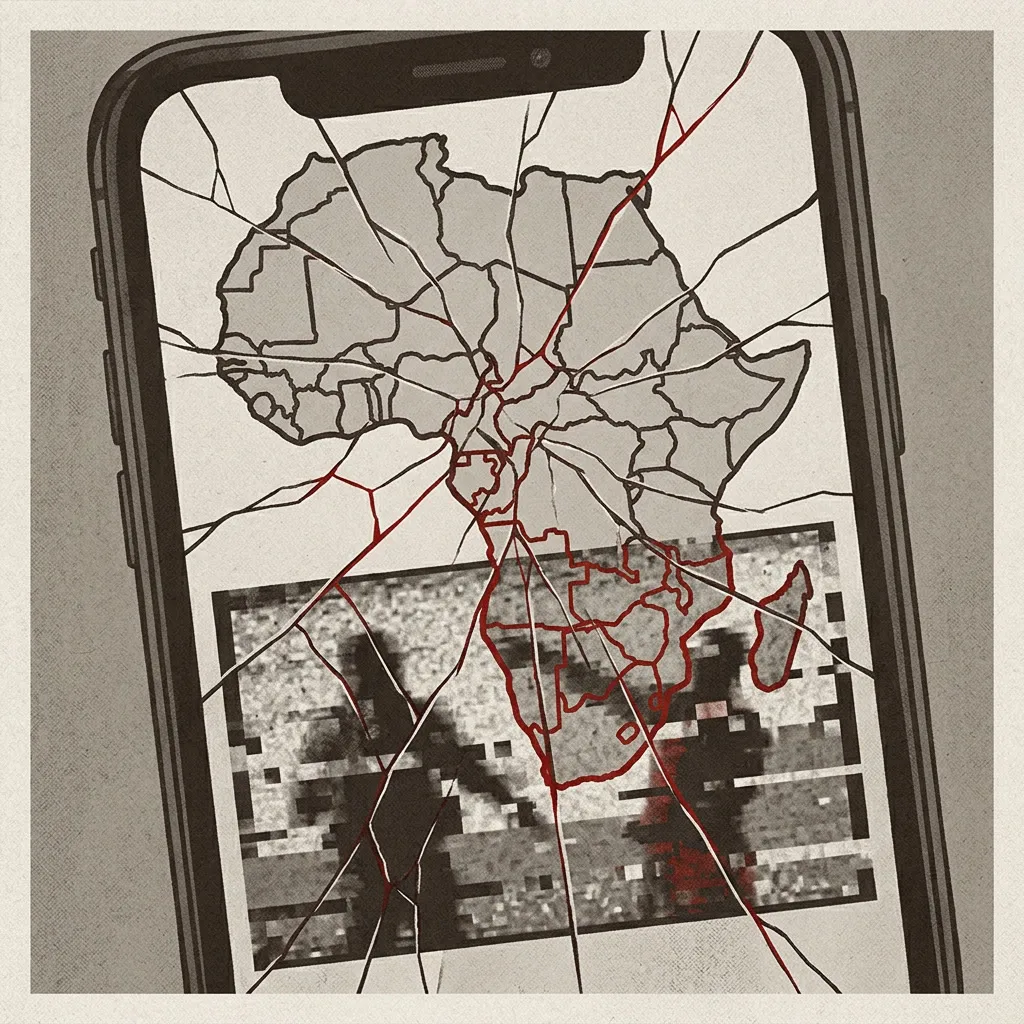
A diplomatic dispute is unfolding across Africa, centered on accusations of xenophobic violence in South Africa and the veracity of viral videos depicting attacks on foreign nationals. The South African government has issued strong denials of a surge in xenophobia, attributing rising regional tensions to the circulation of fabricated content. Concurrently, other African nations, including Nigeria and Ghana, are calling for condemnation and international intervention, framing the issue as one of urgent human rights and regional leadership. The conflict highlights a fundamental clash between South Africa's narrative of misinformation and its neighbors' narrative of unchecked violence and migrant persecution.
South African authorities have taken a firm stance against the allegations. A presidential spokesperson emphasized that South Africans are not a xenophobic people, while also stating that President Cyril Ramaphosa expects law enforcement to act against any violent protesters. The government's primary counter-argument, however, focuses on media manipulation. Officials have strongly condemned the circulation of what they describe as fake videos and images that allegedly show attacks on foreign nationals. This position, reported by both AllAfrica and BBC News, frames the escalating diplomatic tensions as being fueled by disinformation rather than by actual events on the ground.
Beyond denying the videos' authenticity, South African officials have advanced a broader geopolitical argument. As reported by Africanews, South Africa has responded to the charges by stating that other African nations must address the root causes of migration, such as internal instability and poor governance, which drive their citizens to leave. This framing shifts the onus onto migrant-sending countries, suggesting that the focus should be on solving problems at their source rather than on conditions for migrants within South Africa. It presents the situation as a continental governance issue, not solely a South African social one.
In contrast, perspectives from elsewhere in Africa frame the crisis very differently. Reports aggregating Nigerian viewpoints, as seen on AllAfrica, describe harrowing images of Black immigrants, including Nigerians, being harassed, displaced, and violently driven from communities. This narrative demands not only condemnation but also regional leadership and responsibility. The language used is visceral, describing scenes that are 'hard to ignore' and that 'demand' action, constructing an urgent moral imperative. Separately, Ghana has called on the African Union to dispatch a fact-finding mission, a move reported by the BBC. This formal request for external verification implicitly challenges South Africa's assertion that the problem is fabricated and indicates a breakdown of trust between neighboring states.
Framing the Conflict The core divergence lies in the diagnosis of the problem. South African sources frame the incident as a disinformation crisis threatening social stability and diplomatic relations. The prescribed solution involves policing online content and addressing root causes of migration abroad. Nigerian and Ghanaian sources, however, frame it as a violence and human rights crisis requiring immediate protection for victims and accountability for perpetrators. Their proposed solutions involve regional condemnation, leadership, and independent investigation. The BBC's coverage sits between these poles, reporting South Africa's denial of the videos while also noting the mounting claims and Ghana's call for an AU mission, thus presenting both conflicting narratives without adjudicating between them.
The implications of this dispute extend beyond bilateral relations. It touches on core issues of pan-African solidarity, freedom of movement, and the responsibilities of regional powers. South Africa's rebuttal, which points to governance failures in other nations, risks being perceived as deflecting blame and could exacerbate regional fractures. Conversely, the calls for an AU mission represent an attempt to invoke multilateral mechanisms to resolve a deeply contentious issue. The widespread circulation of the videos, regardless of their authenticity, has become a potent political symbol, mobilizing public opinion and testing diplomatic channels across the continent.