
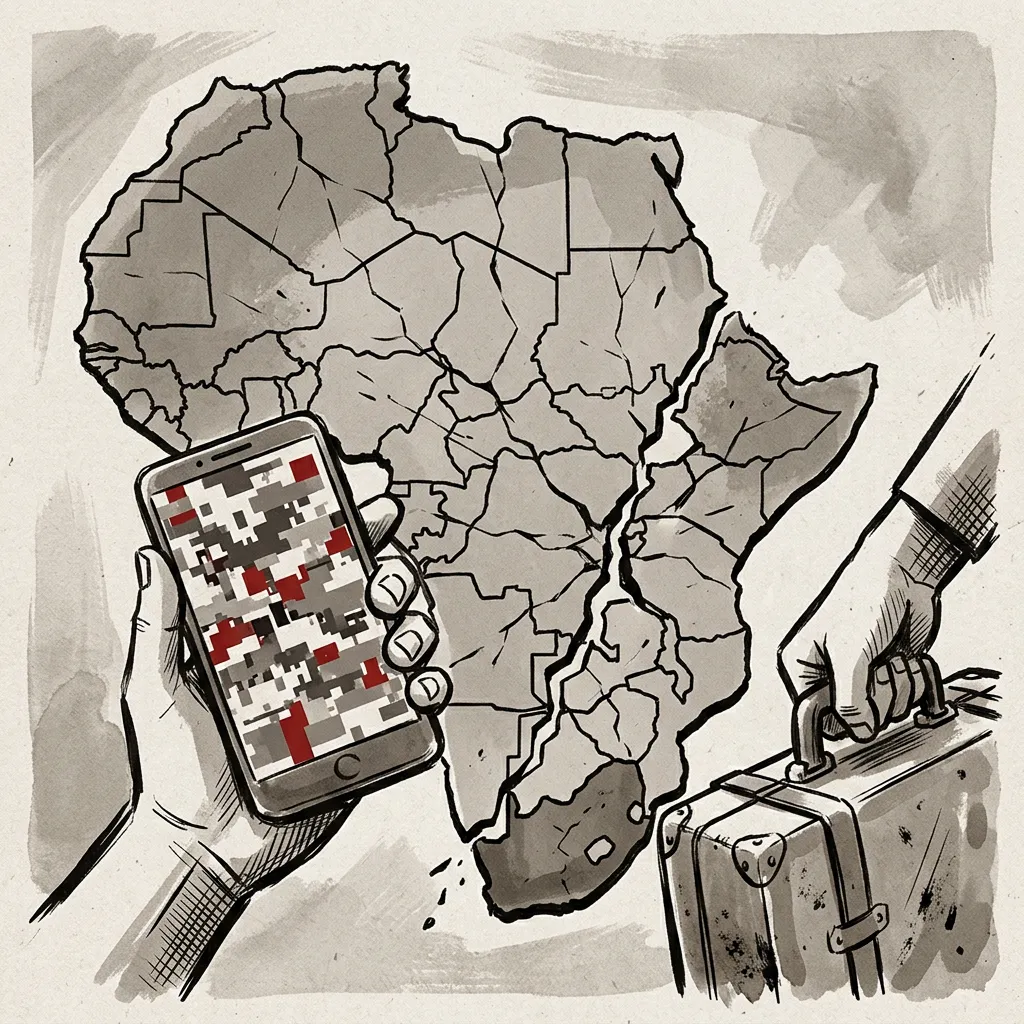
A diplomatic dispute is unfolding across Africa, centered on allegations of xenophobic violence in South Africa and the role of disinformation. While some regional media and governments highlight violent incidents against foreign nationals, particularly Nigerians, the South African government is pushing back, condemning what it calls a wave of fake videos and shifting the focus to the root causes of migration from other African nations. The controversy has escalated to calls for an African Union investigation, revealing deep tensions over migration, responsibility, and narrative control.
The framing from sources focusing on Nigeria and West Africa is one of urgent condemnation and a call for action. One report describes difficult-to-ignore imagery of Black immigrants, many from Nigeria, being harassed, displaced, and violently driven from communities. This narrative frames the events as a clear-cut crisis of xenophobia demanding not just condemnation but regional leadership and accountability. The language emphasizes the human cost and positions the response as a test of continental solidarity.
In direct contrast, official South African sources present a starkly different picture. The government has issued strong denunciations of what it labels fabricated videos and images that allegedly show attacks on foreigners. A presidential spokesperson explicitly stated that South Africans are not a xenophobic people, while confirming that President Cyril Ramaphosa expects law enforcement to act against any violent protesters. This framing seeks to separate criminality from national character, attributing the escalating diplomatic tensions to misinformation rather than a widespread social problem.
Further developing its counter-narrative, South African officials have redirected the conversation toward the conditions in migrants' countries of origin. In statements reported by Africanews, South Africa argued that other African nations should address the instability and poor governance that cause their citizens to leave. This reframing positions South Africa not as a perpetrator of violence but as a destination bearing the consequences of broader continental failures, effectively shifting the burden of responsibility onto migrant-sending states.
The international dimension is highlighted by the BBC, which notes that as claims of xenophobia increase, Ghana has called for the African Union to deploy a fact-finding mission. This move suggests that the allegations are being taken seriously enough at a multilateral level to warrant an independent inquiry, placing the issue on the formal diplomatic agenda beyond bilateral accusations and denials.
Framing the Conflict
The core conflict lies in the clash between an incident-driven narrative and a denial-and-redirection narrative. Sources aligned with migrant communities and their home governments frame the issue through the lens of specific violent events and a pattern of xenophobia, demanding protection and justice. The South African government and its communications apparatus frame the issue through the lens of digital disinformation and regional policy failure, demanding that critics examine the sources of migration and the veracity of the evidence. The call for an AU mission represents a third, institutional framing that seeks to adjudicate between these competing claims through established continental bodies.
This synthesis reveals a multifaceted crisis where allegations of physical violence are compounded by an information war. The dispute transcends the immediate incidents, touching on sensitive topics of national image, regional equity, and the responsibilities of migrant-sending versus host countries. The outcome hinges not only on events on the ground but on which narrative—humanitarian crisis or manufactured scandal—gains credibility within African institutions and public opinion.