
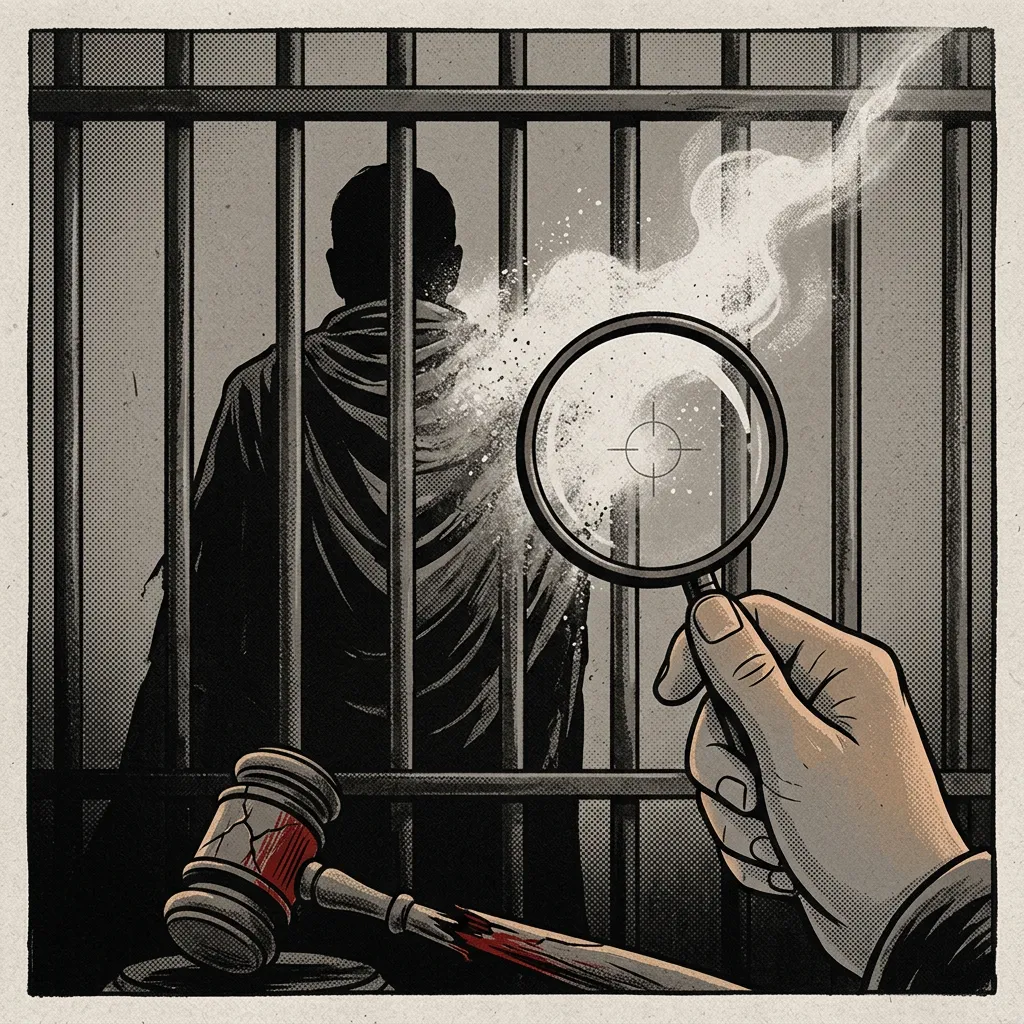
The death of Rwandan government critic Aimable Karasira while in state custody has prompted international human rights organizations to call for an independent investigation. Rwandan authorities attribute the death to a drug overdose, but these claims are being met with deep skepticism and demands for transparency from rights monitors, who highlight the case's context within broader patterns of alleged political repression.
Africanews reports the official account, stating that Karasira died on a Wednesday from what authorities described as a drug overdose. However, the outlet immediately juxtaposes this with the position of Human Rights Watch (HRW), which labeled the death as suspicious. HRW is quoted as asserting that the government in Kigali carries the responsibility to demonstrate that Karasira was not a victim of unlawful killing. This framing presents a direct conflict between an official state narrative and the doubts of a prominent international watchdog.
The Hindu provides a more expansive contextual backdrop for the incident. Its reporting notes that many critics accuse Rwandan President Paul Kagame of systematically suppressing dissent, with a significant number viewing his administration as the foundation of an authoritarian system. By introducing this perspective, the Indian publication situates Karasira's death not as an isolated event but as a potential symptom of a wider political environment where opposition voices are allegedly marginalized. This framing shifts the focus from the specific forensic details of the death to its symbolic and political implications within Rwanda's governance landscape.
AllAfrica's coverage, aggregating regional reporting, emphasizes a critical temporal detail omitted by the other sources: Karasira died on the day he was scheduled to be released from prison. This specific point dramatically heightens the circumstances surrounding his death, making the official overdose explanation appear more coincidental and, by implication, more questionable. The AllAfrica headline, "Govt Critic Dies in Prison On Release Day," inherently casts doubt, while the body of its report succinctly relays HRW's call from its Nairobi office for authorities to investigate their own overdose claims.
Framing the Conflict
The core divergence in reporting lies in how each source balances the official explanation against critical counter-narratives. Africanews adopts a balanced, fact-forward approach, presenting both the state's claim and HRW's rebuttal with equal weight, characteristic of mainstream wire-style reporting. The Hindu explicitly frames the story within a pre-existing narrative of authoritarianism, using the event to reflect on the Kagame government's broader record. AllAfrica, by highlighting the 'release day' detail, focuses on the jarring incongruity of the timing, which implicitly challenges the official version without extensive commentary. None of the sources endorse the government's position; instead, they vary in how directly they link the death to systemic issues.
In synthesis, the death of Aimable Karasira has become a focal point for long-standing tensions between the Rwandan government and its international critics. The calls for an independent probe, as reported across these sources, are not merely about determining a cause of death but are portrayed as a test for accountability and transparency in a political climate often described as restrictive. The consistent demand from rights groups for an investigation outside state control underscores a profound lack of trust in official institutions, a theme echoed in each regional report despite their differing emphases.