
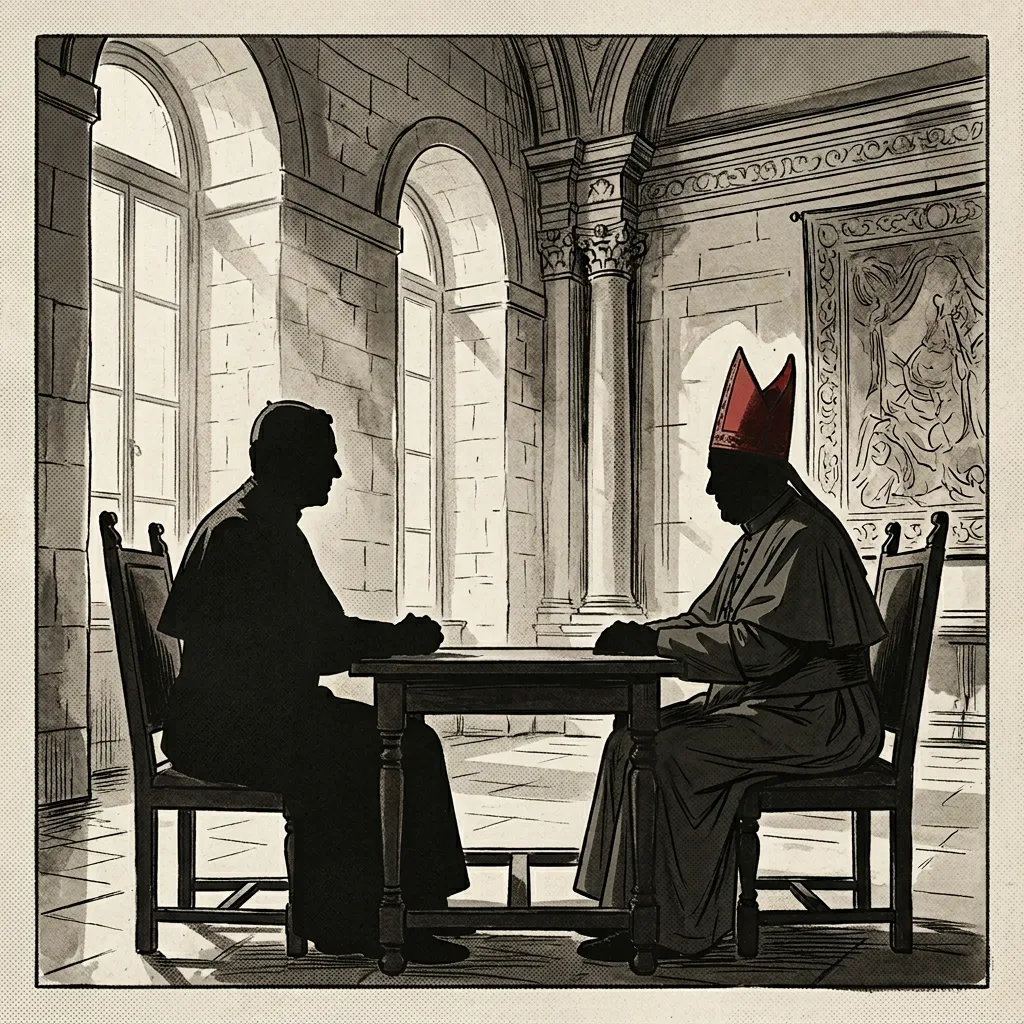
Pope Leo XIV held a private meeting with Archbishop of Canterbury Sarah Mullally at the Vatican, marking a significant moment in relations between the Catholic Church and the Church of England. The encounter took place during Mullally's four-day pilgrimage to Rome.
Historic Appointment
Sarah Mullally holds the distinction of being the first woman to lead the Church of England in its nearly five-century history, according to Argentine publication Clarin. The BBC identifies her as "the first female head of the Church of England," using the honorific "Dame Sarah Mullally." This appointment represents a watershed moment for the Anglican communion, which has ordained women as priests and bishops in recent decades—a practice that remains prohibited in the Catholic Church.
The Vatican Visit
The meeting between the Pope and the Archbishop was characterized as a "private discussion" by British media, while Latin American sources described it as a "historic appointment" where the two religious leaders "prayed together." The encounter formed part of a broader pilgrimage that included visits to Rome's major pontifical basilicas.
According to Indian publication The Hindu, Mullally's itinerary encompassed prayers at the tombs of Saints Peter and Paul, foundational figures in Christian tradition, and meetings with senior Vatican officials beyond the papal audience. The pilgrimage format suggests a spiritual rather than purely diplomatic character to the visit.
Framing the Significance
Different regional outlets emphasized distinct aspects of the meeting. The BBC's coverage highlighted Mullally's praise for "the Pope's anti-war comments," suggesting that contemporary geopolitical concerns formed part of their discussion. This framing positions the meeting within current global conflicts and the religious leaders' roles as moral voices on international affairs.
In contrast, Clarin's coverage centered on the gender milestone, leading with the historic nature of a female Archbishop meeting the Pope and emphasizing Mullally's barrier-breaking position. The publication noted she was "received in private" by Leo XIV, using language that emphasizes the papal audience as a formal reception.
The Hindu adopted a more procedural tone, focusing on the pilgrimage's religious itinerary—the basilica visits, tomb prayers, and meetings with Vatican officials—presenting the papal audience as one element within a broader spiritual journey rather than the visit's sole purpose.
Ecumenical Context
The meeting continues a tradition of dialogue between Canterbury and Rome that dates to the mid-20th century, when the two churches began formal efforts to heal divisions stemming from the 16th-century English Reformation. However, significant theological differences remain, particularly regarding women's ordination, papal authority, and questions of apostolic succession.
None of the sources reported specific outcomes, joint statements, or concrete agreements emerging from the private discussion. The absence of such details across all three publications suggests the meeting may have been primarily symbolic and relational rather than focused on resolving doctrinal differences.
Regional Perspectives
The geographic diversity of coverage reflects different regional interests in the story. Latin American media emphasized the historic and ceremonial aspects, consistent with the region's predominantly Catholic population and interest in papal activities. British coverage focused on the Archbishop's diplomatic messaging, particularly regarding contemporary conflicts. Indian media, serving a multi-religious readership, presented the visit through a more neutral, procedural lens that emphasized interfaith dialogue and religious pilgrimage traditions.
The meeting underscores ongoing efforts at Christian unity while highlighting the contrasts between the two communions' approaches to church governance and ministry.