
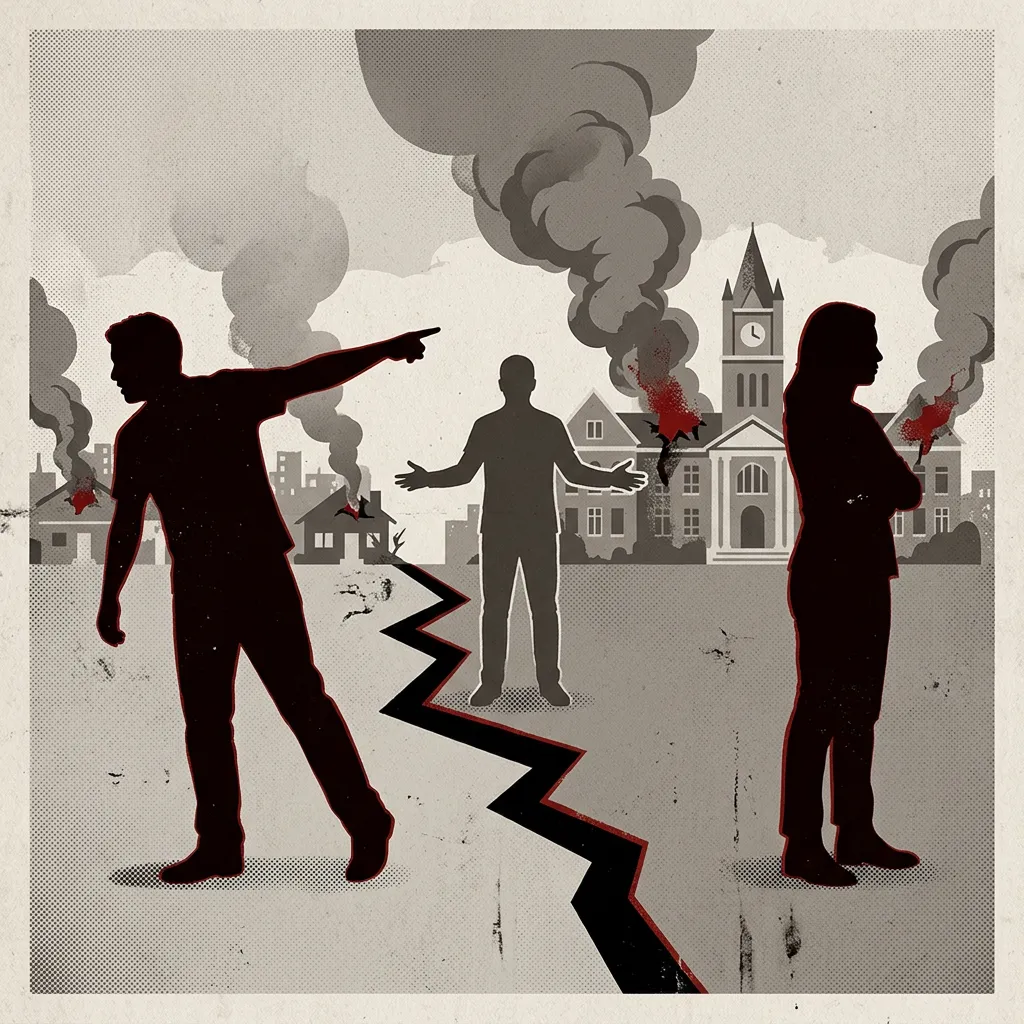
Deadly Strikes Spark War Crimes Allegations
Afghanistan has accused Pakistan of committing war crimes following military strikes on Monday that targeted the eastern province of Kunar, according to Afghan officials. The Taliban government, which controls Afghanistan since 2021, reports that at least seven people were killed and more than 70 wounded in what they describe as artillery and missile attacks on civilian areas.
Among the sites reportedly hit was Sayed Jamaluddin Afghani University, where approximately 30 students and professors sustained injuries. Afghan authorities state the institution suffered extensive damage. Hamdullah Fitrat, deputy spokesperson for the Taliban, characterized the strikes as "unforgivable war crimes."
Pakistan has denied responsibility for attacking civilian targets. According to reporting from Russian state media outlet RT, Islamabad insists its military operations are "precise and intelligence based," though the article does not elaborate on what specific targets Pakistan claims to have struck or provide Pakistan's account of Monday's events.
Context of Ongoing Border Tensions
The accusations emerge against a backdrop of persistent low-intensity clashes along the Afghan-Pakistani border. RT reports that hostilities have continued despite the two nations entering a formal truce in late March, though the article provides no details about the terms of that agreement or why violence has persisted.
The border region has long been a flashpoint between the neighboring countries, with each government accusing the other of harboring militant groups that launch cross-border attacks. Neither source provides specific information about what triggered Monday's escalation or whether it represents a significant departure from recent patterns of conflict.
International Mediation Efforts
As tensions escalate, Russia has emerged as the latest potential mediator in the dispute. According to The Diplomat, an Asia-focused independent publication, Moscow has offered to facilitate negotiations between Pakistan and Afghanistan, though the offer comes with caution and conditions that the article does not specify in the excerpt provided.
The Russian mediation proposal adds to what appears to be a growing list of international actors seeking to de-escalate the situation, though neither source details what other mediation efforts may be underway or how receptive either Pakistan or Afghanistan has been to outside intervention.
Contrasting Regional Perspectives
The available reporting reveals significant gaps in how this conflict is being covered across different outlets. RT's coverage emphasizes Afghan casualties and damage to civilian infrastructure, presenting the Taliban government's accusations prominently while offering only a brief denial from Pakistan without supporting details or context for Islamabad's military operations.
The Diplomat's focus shifts to the geopolitical dimension, highlighting Russia's potential role as mediator rather than the immediate humanitarian impact. This framing suggests different editorial priorities: RT centers the immediate violence and Afghan grievances, while The Diplomat examines the conflict through the lens of regional power dynamics and diplomatic maneuvering.
Neither source provides independent verification of casualty figures, details about the weapons systems allegedly used, or on-the-ground reporting from the affected areas. The absence of Pakistani official statements beyond the brief denial leaves a substantial gap in understanding Islamabad's perspective on the incident and its military objectives in the border region.
The characterization of the Taliban government also differs subtly: RT identifies it neutrally as the entity "which took over Afghanistan in 2021," while The Diplomat's excerpt does not address the government's legitimacy or origins, focusing instead on the interstate conflict dynamics.
Unanswered Questions
Critical details remain unclear from the available reporting, including whether the March truce has formally collapsed, what mechanisms existed for monitoring compliance, and whether Monday's violence represents retaliation for specific incidents or part of a broader military campaign. The nature of Russia's conditions for mediation and the likelihood of either party accepting outside arbitration also remain unexplored in these sources.