
Cross-Border Attack Reported in Eastern Afghanistan
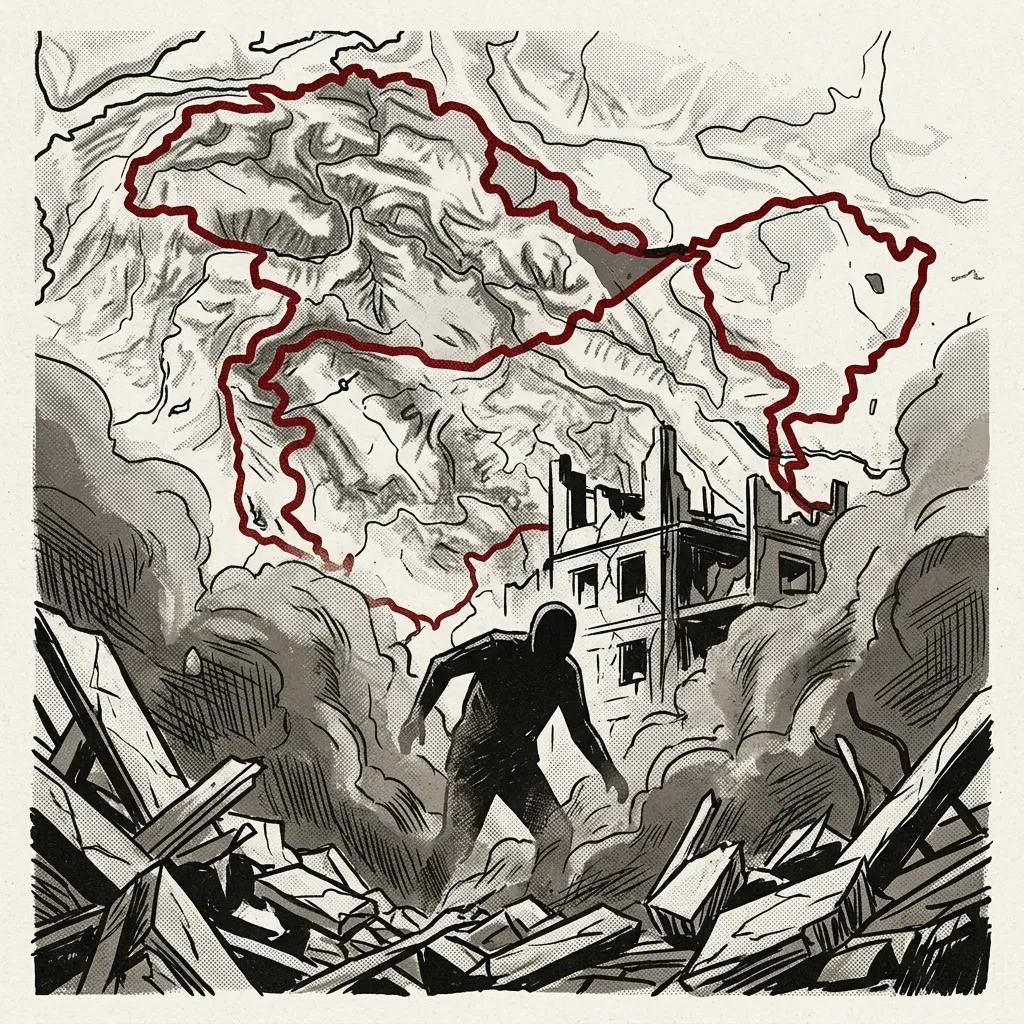
Air attacks targeting Afghanistan's Kunar province have resulted in at least seven deaths and 75 injuries, according to sources cited by BBC News. The strikes allegedly hit a university facility, with Pakistan identified as the accused perpetrator, though the BBC report does not specify whether Pakistan has confirmed or denied involvement.
The incident occurs in Kunar, a mountainous eastern province that shares a lengthy border with Pakistan. This region has historically been a flashpoint for cross-border tensions between the two neighboring countries.
Limited Information on Attack Details
The BBC report provides minimal detail about the nature of the airstrikes, the specific targets beyond the university reference, or the circumstances that may have precipitated the attack. No information is provided about whether the strikes were conducted using manned aircraft, drones, or other aerial platforms.
The casualty figures—seven killed and 75 injured—suggest either multiple strike locations or a densely populated target area. The BBC attributes these numbers to unnamed sources rather than official government statements from either Afghanistan or Pakistan.
Broader Regional Context of Drone Warfare
While not directly addressing the Pakistan-Afghanistan incident, reporting from The Hindu highlights the increasing centrality of unmanned aerial vehicles in contemporary regional conflicts. The Indian publication notes that drone warfare has become a defining feature of modern military operations, with manufacturing costs remaining relatively low while potential damage reaches millions of dollars in value.
According to The Hindu's analysis, even major military powers find themselves struggling to keep pace with rapid developments in drone technology and tactics. The report indicates that Russia and Iran are sharing knowledge gained from their respective military engagements, while Ukraine has been providing air defense consultation to countries in the Gulf region.
This broader pattern of drone proliferation and tactical evolution may provide context for understanding how cross-border strikes are conducted in South Asia, though The Hindu does not explicitly connect this analysis to the Pakistan-Afghanistan situation.
Absence of Official Responses
Neither source provides statements from Pakistani government or military officials regarding the alleged airstrikes. Similarly, no official Afghan response or condemnation is quoted in the available reporting. This absence of official comment leaves key questions unanswered: whether Pakistan acknowledges conducting the strikes, what justification might be offered if so, and how Afghanistan's current Taliban government is characterizing the incident.
The lack of detailed information about potential military targets, the presence or absence of armed groups in the area, or prior incidents that might have triggered the strikes makes it difficult to assess the immediate cause of the attack.
Historical Border Tensions
The Pakistan-Afghanistan border region has long been characterized by mutual accusations of harboring militant groups and conducting unauthorized cross-border operations. Both countries have historically claimed that armed organizations use the other's territory as safe havens for launching attacks. However, the specific context for this particular incident remains unreported in the available sources.
Information Gaps
Significant aspects of this developing story remain unclear from the available reporting. The sources do not indicate when exactly the strikes occurred, whether they represent an isolated incident or part of a broader military operation, or what diplomatic responses may be unfolding between the two countries. Additionally, there is no information about whether international organizations or third-party governments have responded to the incident.
The characterization of the target as a university raises questions about civilian casualties and potential violations of international humanitarian law, but neither source provides analysis on this dimension or quotes from humanitarian organizations.