
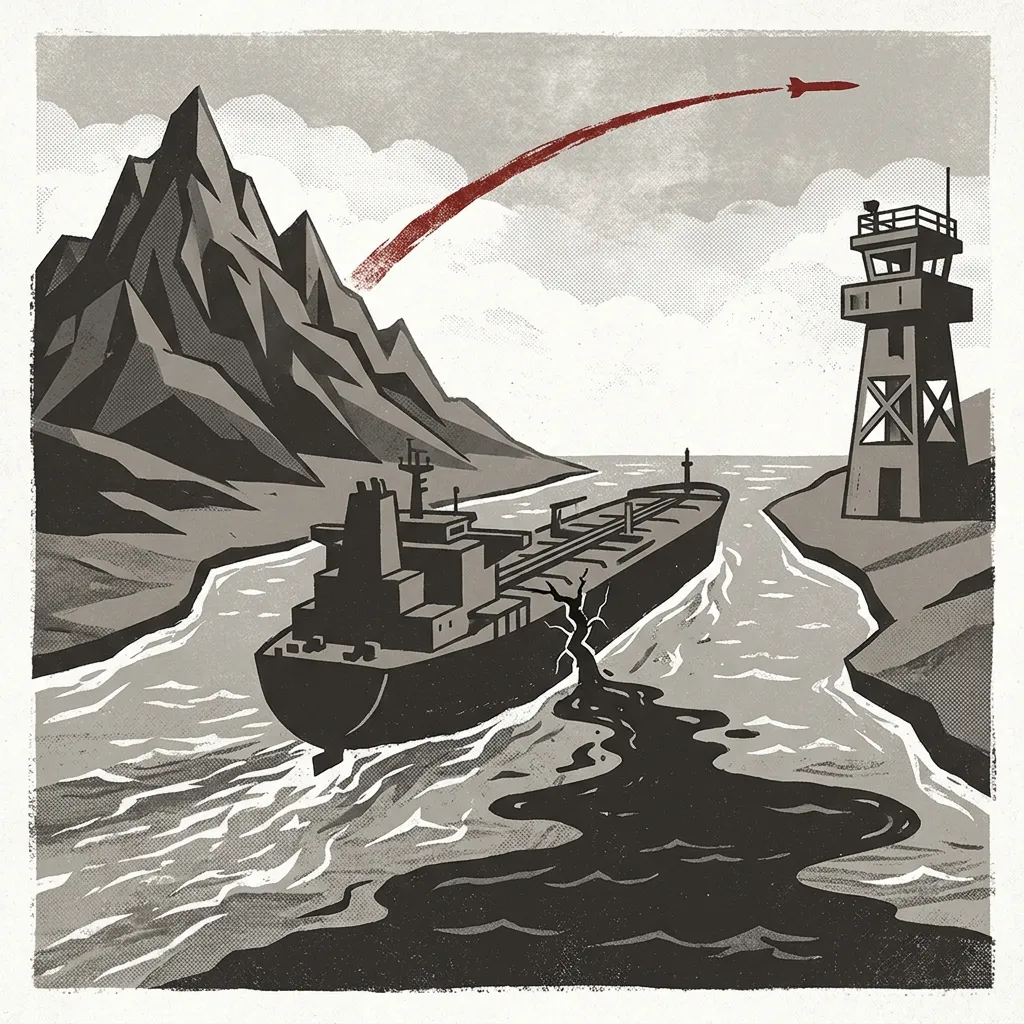
Global oil prices have climbed to their highest levels in four years, driven by a prolonged U.S. blockade of Iranian ports and heightened military tensions in the Middle East. The disruption to shipping through the critical Strait of Hormuz, a chokepoint for approximately one-fifth of the world's oil, has entered its second month, raising fears of a sustained supply crisis.
According to reports from The Hindu and Al Jazeera, the price surge followed a warning from U.S. President Donald Trump that the blockade could last for months. Al Jazeera frames the U.S. action as a "siege" of Iranian ports, while Le Monde notes the policy has increased domestic political pressure on Trump due to rising fuel costs for American consumers. In response to the market turmoil, Al Jazeera reports President Trump met with U.S. oil firms to discuss mitigating impacts on fuel supplies.
Diplomatic efforts to resolve the crisis appear stalled. The Hindu reports that while Iran submitted a new proposal this week to reopen the Strait of Hormuz, President Trump reportedly did not believe Tehran was negotiating in good faith. Iranian Parliament Speaker Mohammad Bagher Ghalibaf, cited by Al Jazeera, mocked the U.S. strategy of economic pressure.
The military situation remains volatile. BBC News, citing an Axios report, states that U.S. Central Command has prepared plans for a wave of what it describes as "short and powerful" strikes against Iran. This report contributed to the sharp rise in oil prices.
Parallel to the Middle East crisis, a separate diplomatic channel has opened between the U.S. and Russia. Multiple sources, including Folha de S.Paulo, Meduza, and Clarin, detail a lengthy phone call between Presidents Trump and Vladimir Putin. The Kremlin's account, reported by Folha and Al Jazeera, states that Putin presented ideas to help settle the dispute over Iran's nuclear program and warned of the harmful consequences of new military action in Iran. Meduza and Clarin add that the leaders also discussed Ukraine, with the Kremlin stating Putin proposed a temporary ceasefire for the upcoming Victory Day holiday. Meduza notes a discrepancy, reporting that Trump later claimed it was his idea to propose the brief ceasefire.
Beyond energy markets, analysts warn of broader consequences. Daily Maverick argues that the most alarming dimension of the prolonged Strait of Hormuz closure is not energy but an impending global food crisis, citing profound long-term effects on commodity markets.