
Proposal and Market Response
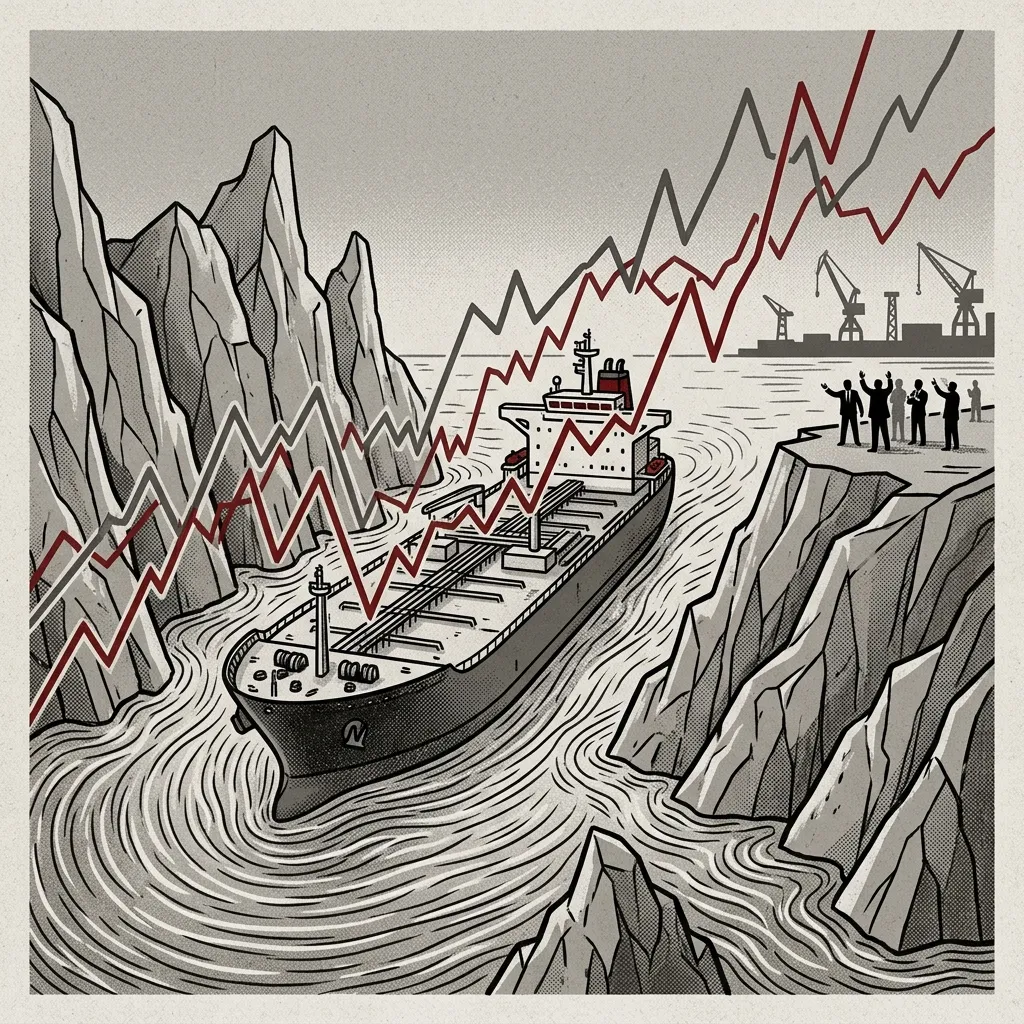
Iran has proposed reopening the Strait of Hormuz, a critical global shipping chokepoint, though the exact terms of this offer remain subject to different characterizations across reporting. According to Al Jazeera's coverage, Tehran initially linked the waterway's reopening to a deferral of nuclear negotiations, though subsequent reporting indicates Iran has since widened its diplomatic approach to include regional and global actors beyond direct U.S. engagement.
Despite this diplomatic overture, oil markets responded with increased volatility rather than relief. Brent crude prices rose more than 1 percent following the announcement, according to Al Jazeera, suggesting traders remain skeptical about the proposal's implementation or concerned about underlying tensions that prompted the closure.
International Maritime Authority Response
The International Maritime Organization (IMO) delivered a firm response to the situation during an address to the UN Security Council, as reported by The Hindu. The IMO Secretary-General characterized freedom of navigation as non-negotiable, warning that any departure from established maritime principles would create dangerous precedents. The statement emphasized that such deviations would "severely undermine the integrity and stability of shipping operations worldwide," framing the issue as one of international legal principle rather than bilateral negotiation.
This position notably contrasts with Iran's framing of the strait's status as a matter subject to diplomatic bargaining. The Hindu's coverage focuses exclusively on the IMO's principled stance on maritime law, without detailing Iran's specific proposal or the circumstances that led to the waterway's disruption.
Humanitarian and Economic Stakes
The UN Secretary-General escalated the framing of the crisis beyond regional security concerns, according to Al Jazeera's live coverage. The UN chief warned that the U.S.-Iran standoff in the strait "risks triggering a global food emergency," highlighting the waterway's role in global supply chains beyond petroleum transport. This characterization positions the closure as a potential humanitarian crisis affecting food security worldwide.
The Strait of Hormuz serves as a transit point for approximately one-fifth of global oil supplies, though sources do not provide current figures on the volume of trade affected by the disruption.
Diplomatic Maneuvering
Al Jazeera reports that Tehran has adjusted its diplomatic strategy, seeking "broader buy-in" from regional and global stakeholders while indirect talks with the United States remain in an uncertain state. This shift suggests Iran may be attempting to internationalize the negotiation process rather than confine it to bilateral U.S.-Iran channels.
The evolution of Iran's position—from linking the strait's reopening to nuclear talk deferrals to pursuing wider diplomatic engagement—indicates fluid negotiation dynamics. However, sources do not clarify whether these represent sequential proposals or parallel diplomatic tracks.
Trump Administration Review
Al Jazeera's live coverage notes that the Trump administration is reviewing a peace plan related to the standoff, though details of this plan's contents or origin are not provided in the available reporting. The relationship between this review and Iran's diplomatic initiatives remains unclear from the sources.