
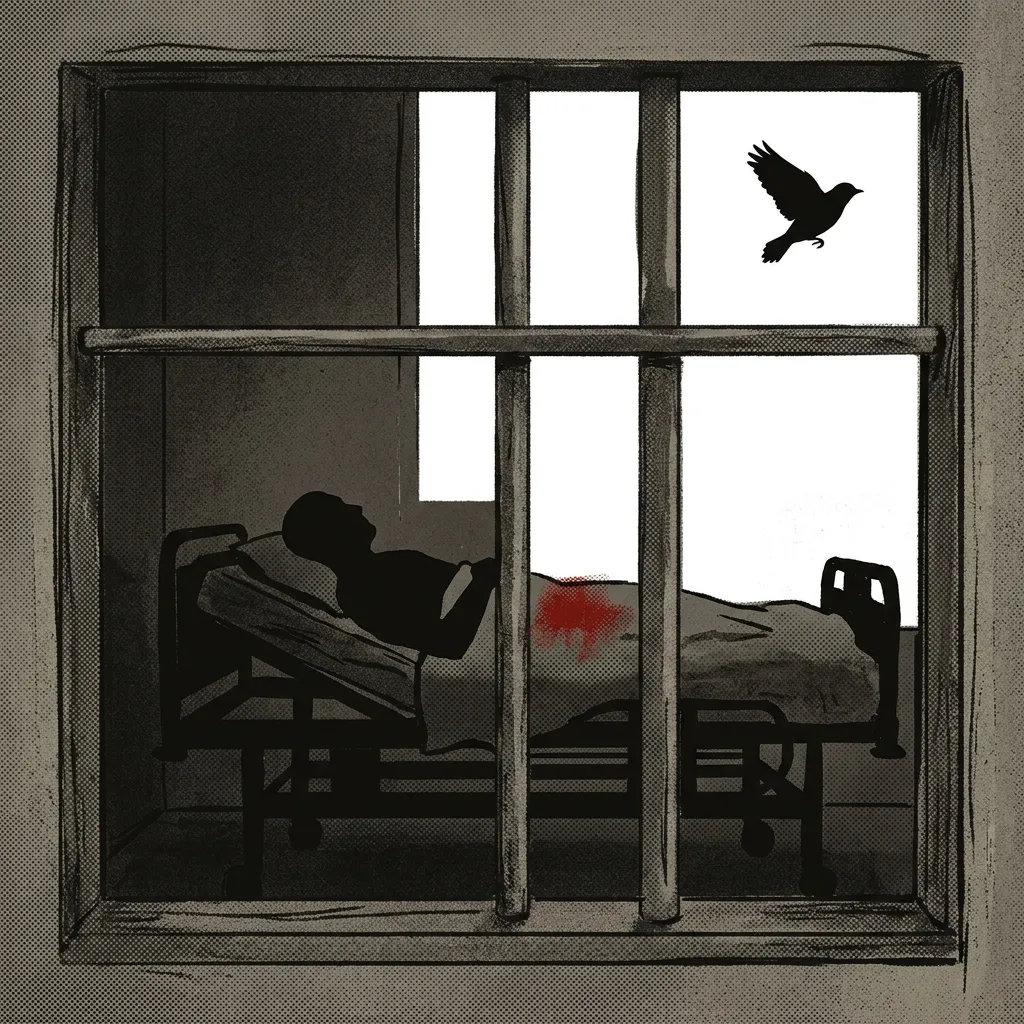
Nobel Peace Prize laureate Narges Mohammadi has been transferred from prison to a hospital in Tehran after Iranian authorities granted a temporary suspension of her sentence in exchange for bail. The move follows escalating international and domestic concern over the activist's critical health condition while incarcerated. Reports indicate the decision came after sustained appeals from her family and supporters, though details on her medical status and the legal terms of her release vary across international news coverage.
Reporting from Regional Sources
Indian newspaper The Hindu frames the development as a response to direct advocacy, noting the transfer occurred "after days of pleading by her family and others who described her condition as critical." The report, sourcing information from Mohammadi's foundation, states she received a "prison sentence suspension on bail." This framing emphasizes the role of external pressure and the foundation's narrative without detailing the charges against her or the authorities' rationale.
Brazil's Folha de S.Paulo provides specific financial and legal context absent from other reports. It notes the suspension was temporary and granted "in troca de uma fiança considerável" (in exchange for a considerable bail). This framing introduces the element of a financial transaction as a condition for the medical transfer, highlighting the procedural mechanics of her release. The report also anchors the event within a longer timeline of repression, linking to a previous article about her re-arrest in late 2025.
BBC News employs concise, direct language, stating Iranian authorities "granted human rights activist Narges Mohammadi bail amid growing concern over her poor health in prison." This framing centers on the cause-and-effect relationship between international worry and official action, labeling Mohammadi explicitly as a "human rights activist." It presents the authorities' decision as a reactive measure to a publicly acknowledged problem.
France's Le Monde offers additional logistical detail, reporting that Mohammadi was sent to Tehran "after 10 days of hospitalization in Zanjan, northern Iran, where she had been serving her sentence." This framing reveals she was already receiving some medical care within the prison system prior to the transfer, adding a layer of complexity to the narrative of neglect. It also formally cites "health concerns" as the reason for the release, adopting the potential language of the Iranian state.
Framing the Event
The coverage diverges primarily in its attribution of agency and its depth of contextual detail. The Hindu and the BBC frame the event as an outcome of pressure and concern, with the authorities responding to external stimuli. Folha de S.Paulo and Le Monde incorporate more granular details that partially contextualize the state's actions—through the mention of bail and prior hospitalization—without mitigating the overall portrayal of a health crisis stemming from imprisonment. None of the reports present an official Iranian government statement justifying the incarceration itself, but they vary in how much they describe the state's management of the medical situation. The core fact of a bail-for-health release is consistent, but the narrative surrounding it ranges from a story of advocacy victory to one detailing a managed penal procedure.
Synthesis and Implications
The consistent thread across all reports is the precarious health of a high-profile detainee forcing a temporary change in her status. The synthesis of these frames suggests a significant event where domestic and international scrutiny intersects with Iran's judicial and penal systems. The emphasis on bail, particularly the characterization of its size, frames the release not as an act of clemency but as a transactional, legally contingent measure. The absence of her specific medical diagnosis in these reports universalizes the concern while omitting a key factual element. This event reinforces Mohammadi's symbolic role as a focal point for critiques of Iran's human rights record, with her medical emergency prompting a rare, if temporary, concession. The reporting underscores how the status of a Nobel laureate amplifies such incidents into global news, with regional outlets tailoring the narrative to highlight aspects from advocacy pressure to judicial mechanics.