
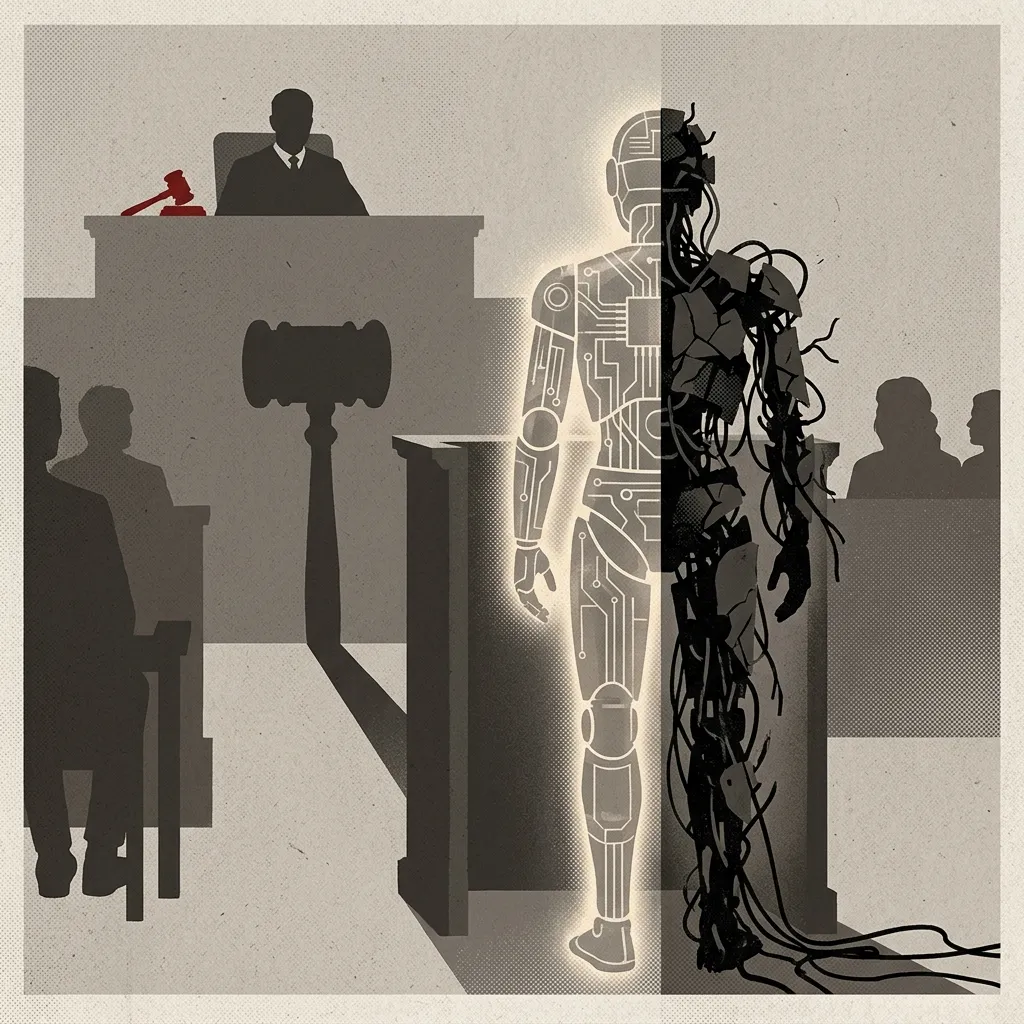
A high-stakes legal trial in Oakland, California, has become the arena for a public feud between Elon Musk and OpenAI, the company he helped found. The proceedings, which could shape the future of the artificial intelligence firm behind ChatGPT, feature starkly conflicting narratives from the two parties.
On the witness stand, Elon Musk made a series of pointed accusations. According to reports, he claimed that a lawyer representing OpenAI and its CEO, Sam Altman, repeatedly attempted to mislead him during a tense cross-examination. Musk's broader legal argument centers on an alleged betrayal of OpenAI's original founding principles. He contends that the company has abandoned its core mission as a non-profit entity dedicated to developing artificial intelligence for the benefit of humanity, suggesting it has instead prioritized commercial profit.
OpenAI's legal team has presented a counter-narrative in court filings. They frame Musk's lawsuit not as a defense of ethical principles, but as a strategic business maneuver. The company's lawyers argue that the legal action is primarily intended to damage OpenAI and hinder its progress, thereby providing a competitive advantage to Musk's own rival AI venture, xAI. This framing paints the dispute as a commercial rivalry rather than an ideological one.
As noted by observers, the legal documents submitted by both sides on the trial's opening day present two entirely contradictory accounts of events and motivations, with the outcome likely hinging on which version the court finds credible. The case puts the internal history and founding agreements of one of the world's most influential AI companies under intense legal scrutiny.