
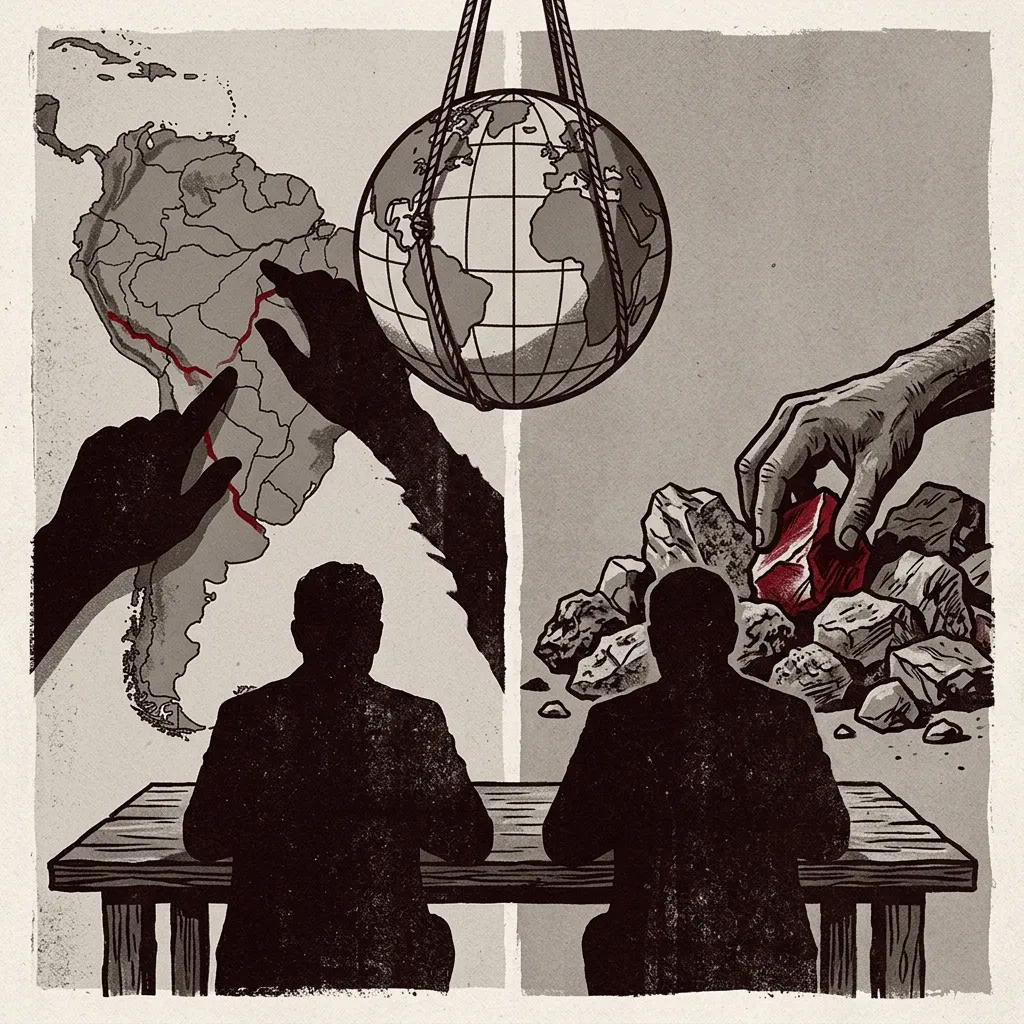
Brazilian President Luiz Inácio Lula da Silva met with U.S. President Donald Trump at the White House, a high-stakes encounter framed by regional media as an effort to manage trade tensions and navigate complex domestic political calendars for both leaders. The meeting, described as lasting nearly three hours, resulted in the cancellation of a planned press conference, with public statements limited to social media posts and briefings from aides. The discussions reportedly covered topics from trade and critical minerals to regional security, with the tone and substance interpreted differently across sources.
Latin American Perspectives: Diplomacy and Domestic Context Brazil's Folha de S.Paulo provides a direct account centered on the meeting's logistics and the U.S. president's public reaction. The outlet reports that Trump used his social media platform to characterize Lula as "very dynamic" and stated the meeting went "very well." A separate Folha report notes the encounter lasted close to three hours and led to the cancellation of a scheduled interview, though it does not specify the reason. This framing presents a factual, event-driven narrative focused on the leaders' personal interaction and the meeting's duration.
Argentina's Clarín offers a more analytical lens, immediately contextualizing the summit within the fraught political year both presidents face. It notes this is the second meeting between the two, following an earlier encounter in Malaysia in October. Crucially, Clarín highlights a specific substantive claim from the talks: that Lula stated Trump told him he does not plan to invade Cuba. This detail introduces a geopolitical dimension absent from other reports. The source emphasizes the "several differences" separating the two leaders, framing the meeting as a diplomatic maneuver within a "complicated" 2026 where Lula seeks re-election and Trump contends with mid-term legislative elections.
An African View: Strategic Economic Interests South Africa's Daily Maverick, sourcing its information from individuals described as close to the Brazilian president, presents a sharply focused narrative on pragmatic economic objectives. It frames Lula's visit as a mission primarily "seeking to avert new US trade tariffs." The report suggests the Brazilian leader aimed to revive what Trump once termed their "excellent chemistry" in order to negotiate on specific issues: avoiding tariffs, and potentially striking deals on critical minerals and cooperation against organized crime. This framing downplays ceremonial aspects and personal rapport, instead casting the meeting as a necessary strategic engagement to protect Brazilian economic interests from potential U.S. protectionist measures.
Framing the Encounter The sources collectively describe the same event but through distinct narrative prisms. Folha de S.Paulo adopts a neutral, observational stance, reporting the positive public remarks and basic facts. Clarín injects regional geopolitical concern (the Cuba remark) and underscores the domestic electoral pressures that shape both presidents' agendas, suggesting the meeting is as much about political positioning as diplomacy. The Daily Maverick offers a third angle, interpreting the summit almost exclusively through the lens of economic statecraft and damage limitation, with Lula portrayed as actively working to shield Brazil's economy from U.S. policy shifts.
Synthesis and Implications The coverage reveals a multifaceted diplomatic engagement. While public optics, as reported by Folha, emphasized cordiality and a productive lengthy discussion, the subtext reported by other outlets points to significant underlying tensions and motivations. The cancellation of a post-meeting media opportunity may indicate either a depth of discussion that ran long or a desire to manage messaging carefully. The divergent emphases—on personal dynamics, regional security assurances, or trade defense—highlight the different priorities of the observers: Brazilian media noting the event's stature, a neighboring Latin American outlet focused on regional stability, and an independent African publication analyzing global economic currents. The meeting emerges not as a simple diplomatic routine, but as a nuanced intersection of personal diplomacy, economic negotiation, and domestic political calculation for both Brasília and Washington.