
Ceasefire Under Strain as Violence Continues
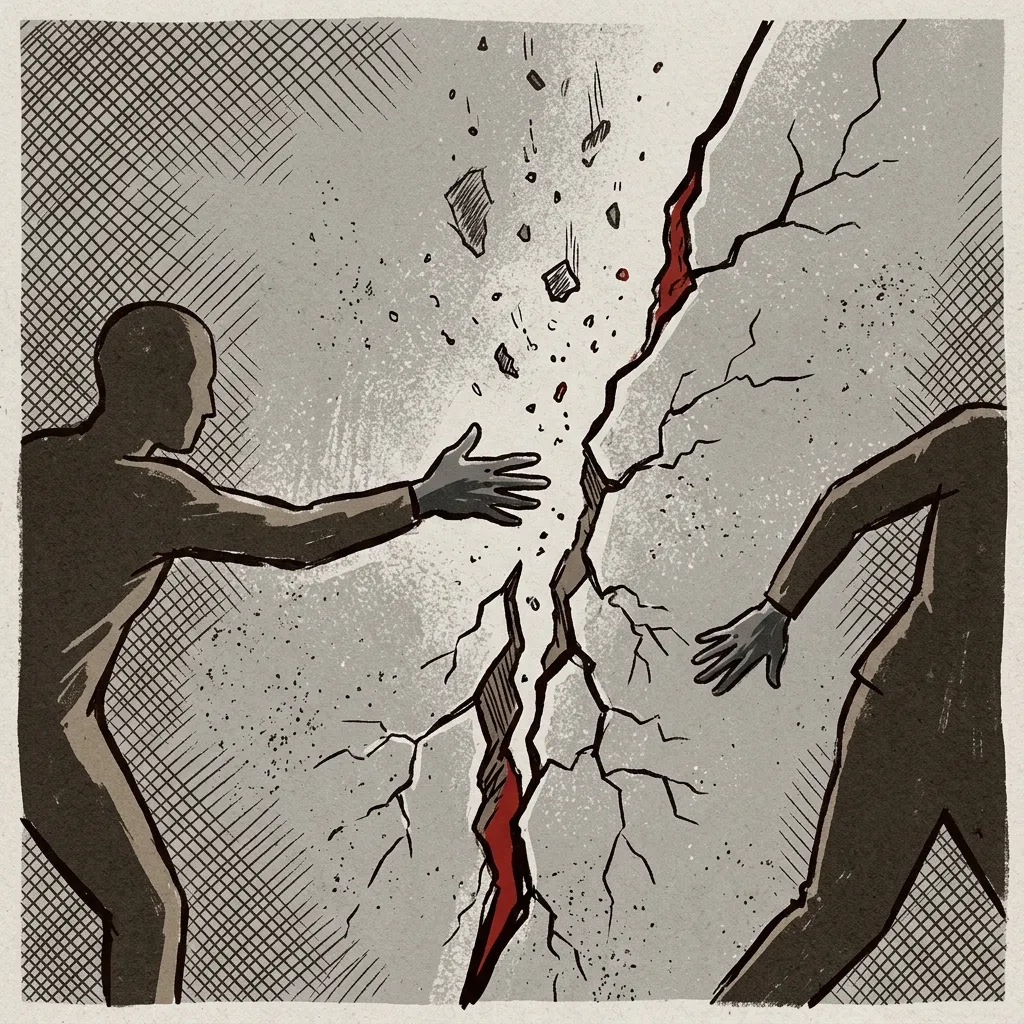
A ceasefire agreement between Lebanon and Israel faces severe challenges as Israeli airstrikes continue in southern Lebanon and Hezbollah's leadership publicly rejects diplomatic engagement. According to Middle Eastern reporting, Israeli strikes have killed at least 14 people and triggered fresh displacement from border areas, marking what sources describe as breaches of the existing truce arrangement.
The violence occurs against a backdrop of unprecedented diplomatic activity. Lebanese and Israeli ambassadors to the United States have held two meetings in Washington in recent weeks, representing the first direct talks of this nature in decades, according to Indian media sources. These discussions appear aimed at solidifying or renegotiating ceasefire terms, though details of what was discussed remain undisclosed.
Hezbollah's Categorical Rejection
Hezbollah leader Naim Qassem delivered a forceful rejection of any agreements emerging from Lebanon-Israel negotiations. Latin American sources quote Qassem declaring that Hezbollah will not respect any potential accord between the two countries and will not relinquish its weapons. He characterized dialogue with Israel as a "gratuitous, humiliating, and unnecessary concession," according to Spanish-language reporting.
Qassem's statement vows that Hezbollah will "confront Israel," though the specific nature of this confrontation was not detailed in available reports. The timing of this declaration—concurrent with the Washington meetings—suggests internal Lebanese tensions over who holds authority to negotiate on behalf of the country.
Competing Narratives on Sovereignty
Middle Eastern analysis frames the current situation through the lens of Lebanese sovereignty, arguing that neither military pressure nor Hezbollah's armed presence can produce a genuinely sovereign Lebanese state. This perspective suggests that achieving both Lebanese sovereignty and Hezbollah demilitarization requires what sources term a "credible political transition," though the contours of such a transition are not specified.
This framing implicitly challenges two opposing approaches: Israeli military action aimed at weakening Hezbollah, and Hezbollah's insistence on maintaining its arsenal as a deterrent. The analysis suggests both strategies fail to address underlying political dysfunction.
Factual Ambiguities
Sources differ in what they emphasize about the current situation. Middle Eastern outlets focus on Israeli military actions and civilian casualties, framing these as ceasefire violations. The characterization of strikes as "breaches" implies Israel bears responsibility for the ceasefire's deterioration, though Israeli justifications for the strikes are not reported in available sources.
Meanwhile, coverage from India and Latin America centers on Hezbollah's diplomatic rejection, with less emphasis on ongoing violence. Latin American reporting presents Hezbollah's stance as defiance of potential agreements, while Indian sources note the historic nature of the Washington talks without characterizing Hezbollah's position as obstruction.
None of the sources provide Israel's stated rationale for continued strikes, Hezbollah's specific military activities during the ceasefire period, or details about what the Washington meetings produced. This leaves key questions unanswered: Are Israeli strikes responsive to Hezbollah actions? What triggered the strikes that killed 14 people? What commitments, if any, emerged from the ambassador-level talks?
Implications for Ceasefire Durability
The combination of continued military action and Hezbollah's rejection of diplomatic processes suggests the ceasefire exists in name more than practice. Hezbollah's public disavowal of any Lebanon-Israel agreement raises questions about the Lebanese government's capacity to implement accords when a major armed faction explicitly refuses compliance.
The displacement of civilians from southern Lebanon, as reported by Middle Eastern sources, indicates the humanitarian toll continues despite ceasefire terminology. Whether this displacement results from Israeli strikes, fear of escalation, or other factors is not clarified in available reporting.