
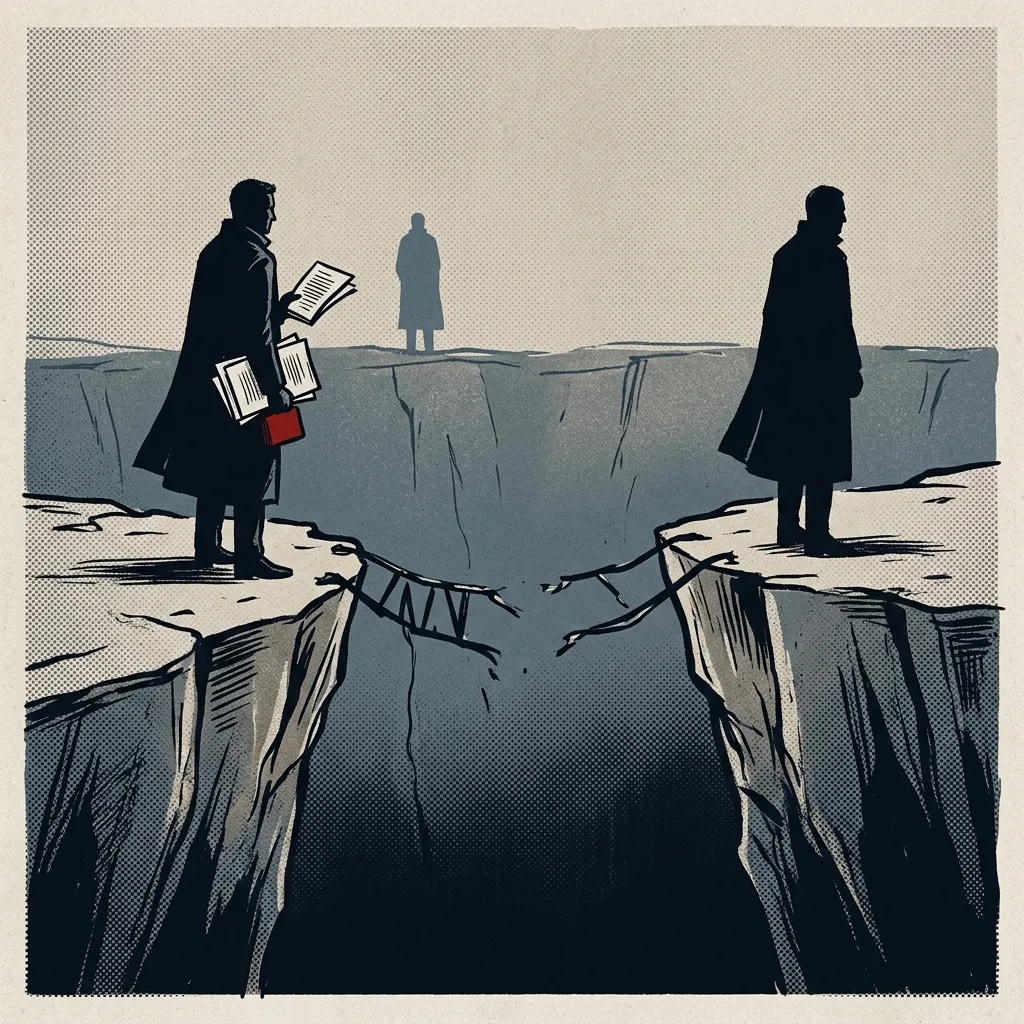
Diplomatic Impasse Deepens
Indirect negotiations between Iran and the United States have reached a standstill, with Iranian Foreign Minister Abbas Araghchi traveling to Russia for consultations after failing to advance talks mediated by Pakistan. The diplomatic freeze comes nearly two months into a ceasefire following what sources describe as a US-Israeli military campaign against Iran that began in late February.
Araghchi arrived in St. Petersburg early Monday morning aboard a flight symbolically named "Minab 168," honoring victims of a girls' school shelling in the Iranian city of Minab, according to Russian independent outlet Meduza. He is scheduled to meet with President Vladimir Putin and Foreign Minister Sergei Lavrov to discuss regional developments and bilateral coordination.
Competing Narratives on Leverage
A central point of contention involves which side holds greater negotiating power. US President Donald Trump told Fox News that Washington possesses "all the cards" and suggested Iranian officials could simply phone if they wished to negotiate, adding that the US would not send representatives on an 18-hour journey to Islamabad. RT, a Russian state-affiliated outlet, prominently featured Araghchi's rebuttal on social media, where the Iranian minister disputed Trump's assessment and outlined potential escalation scenarios.
The Hindu, an Indian publication, reported Trump's remarks more neutrally, noting his statement that Iranian officials "can talk by phone" without emphasizing the leverage claim as strongly as RT's framing.
Iran's Reported Proposal
According to Axios reporting cited by RT and The Hindu, Iran has floated a new framework to break the deadlock. The proposal reportedly suggests reopening the Strait of Hormuz and potentially ending the war before addressing nuclear negotiations. The Hindu states that Iran wants the US to "end its blockade" of the country as part of this arrangement, while RT describes the plan as postponing talks over Iran's uranium enrichment program and stockpile.
US officials have justified military action by alleging Iran is pursuing nuclear weapons, according to RT. Washington has demanded that Tehran dismantle its nuclear program and surrender all enriched uranium, claims that RT presents without independent verification.
Araghchi reportedly declined to meet Trump's envoys Steve Witkoff and Jared Kushner for new talks in Islamabad, instead conveying the proposal through Pakistani intermediaries, according to RT's account.
Regional Complications
The fragile ceasefire faces additional strain from ongoing Israeli military operations in Lebanon. RT reports that Israeli Prime Minister Benjamin Netanyahu accused Hezbollah of "undermining the ceasefire" and announced further strikes to "preempt immediate and emerging threats." Lebanon's Health Ministry reported at least 14 deaths from Israeli strikes on Saturday, with more than 2,500 killed since Israel escalated hostilities, according to Beirut's figures cited by RT.
Al Jazeera noted that Pakistan and Oman remain involved in backchannel efforts to prevent a return to open conflict, while The Hindu reported that Pakistani officials did not specify when American representatives might return to the region following earlier face-to-face talks.
Economic Pressure Points
The Strait of Hormuz remains a critical flashpoint. Al Jazeera reported that Brent crude oil prices rose more than 2 percent amid the stalled negotiations, noting the waterway accounts for 20 percent of global seaborne oil trade according to figures cited by RT. Trump ordered the US Navy to "shoot and kill" any Iranian boats found laying mines in the strait, according to RT's reporting.
Russia's Role
Meduza describes Russia as a "strategic partner" of Iran but notes Moscow has not provided direct military assistance in what it terms "the new war." However, Western intelligence agencies claim Russia agreed to supply drones to Iran and shared targeting data for strikes on American military facilities, according to Meduza's reporting.
The Russian Foreign Ministry confirmed Araghchi's visit, with Kremlin spokesman Dmitry Peskov acknowledging Putin had scheduled a meeting with the Iranian diplomat. Iranian Ambassador to Russia Kazem Jalali told RT that consultations would cover "the current status of talks, the ceasefire, and developments around the conflict."
Araghchi described his regional tour through Pakistan, Oman, and Russia as an effort to "closely coordinate" with partners, according to RT. In Pakistan, he shared Tehran's position on a "workable framework to permanently end the war on Iran," questioning whether the US is "truly serious about diplomacy," RT reported.