
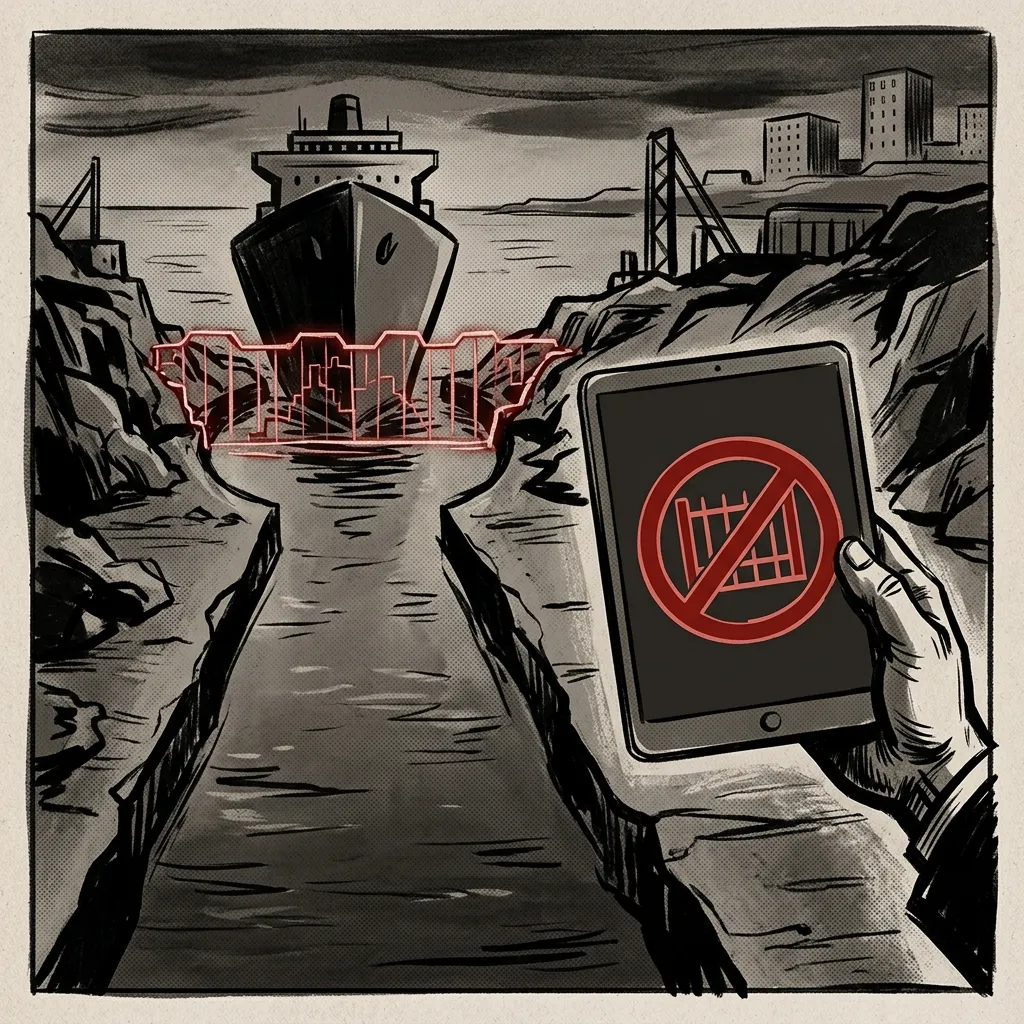
Iran has implemented new regulations for vessels transiting the Strait of Hormuz, a critical global oil chokepoint, requiring shipping companies to obtain prior permits. The move, announced via Iranian state media, mandates that vessels receive electronic instructions from an authority affiliated with the Persian Gulf Strait Authority. This development occurs amid heightened regional tensions, with analysts noting uncertainty and concerns over Iran's intent to target non-compliant shipping.
Source Perspectives and Framing
The Hindu, an Indian mainstream publication, reports the development within the specific context of the ongoing Iran-Israel conflict, as indicated by its article title. It frames the new rules as "sovereign" transit regulations, directly quoting the terminology used by Iran's state-run Press TV. The report focuses on the procedural mechanism, stating that shipping companies will now receive electronic instructions from a designated Iranian authority. This framing presents the action as an administrative decree by a state exercising control over waters it claims, without immediate editorial judgment on the legality or potential consequences for global trade.
Africanews, a pan-African broadcaster, situates the story within a broader analysis of Middle East tensions and their impact on a vital maritime corridor. Its reporting does not detail the specific permit mechanism but emphasizes the perspective of regional experts. It characterizes the situation as "uncertain" and highlights analyst concerns that Iran is signaling an intent to target vessels not using its "preferred transit route." This framing shifts the focus from a sovereign administrative act to a potential security threat, underscoring the risk of disruption to shipping in a waterway crucial for global energy supplies.
Framing the Regulatory Shift
The two sources present the same core event—Iran's imposition of new transit rules—through distinctly different lenses. The Indian source, citing Iranian state media directly, provides a factual, procedural account that mirrors Tehran's official narrative of enforcing standard sovereign regulations. The emphasis is on the 'how': the electronic permit system administered by the Persian Gulf Strait Authority. In contrast, the African source, while not contradicting the fact of the new rules, immediately contextualizes them as an escalation within ongoing regional unrest. Its framing is analytical and forward-looking, concerned with the 'why' and the potential repercussions, citing expert warnings about targeted harassment of shipping. This divergence highlights a contrast between reporting the official decree and analyzing its strategic intent within a volatile geopolitical landscape.
Broader Implications
The enforcement of prior permits in the Strait of Hormuz represents a significant development for global maritime law and energy security. The Strait is a narrow passage through which approximately one-fifth of the world's oil consumption passes, and unilateral changes to transit protocols challenge long-standing norms of freedom of navigation. The differing regional reportage reflects the stakes involved: one perspective outlines the technical implementation of a contested policy, while the other evaluates it as a potential trigger for further instability. The absence of reporting from Western or Gulf Arab sources in this synthesis leaves gaps regarding formal legal challenges or coordinated international responses. However, the available coverage underscores that Iran's action is not viewed as a routine administrative update but as a maneuver with the capacity to inflame existing tensions and directly impact the global economy, depending on how it is enforced and contested.