
Iranian Diplomatic Initiative Gains Momentum
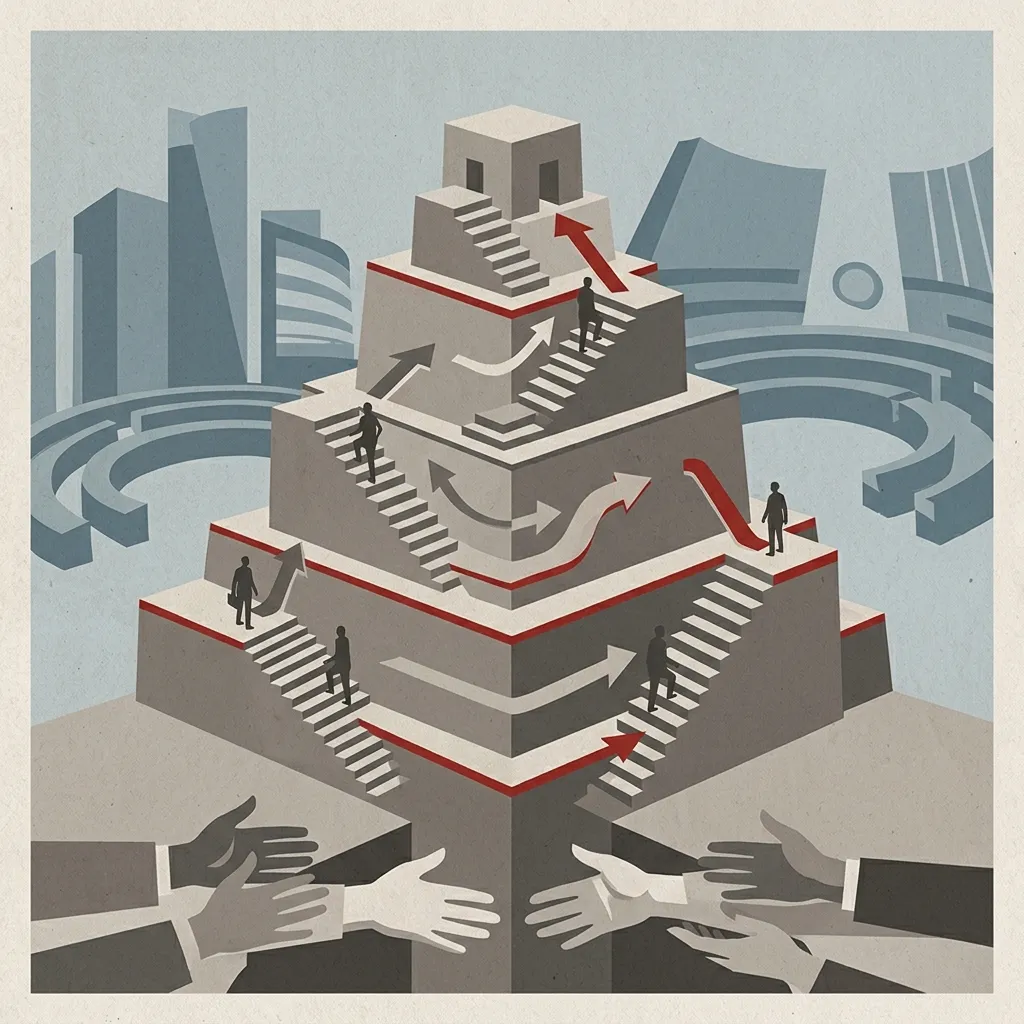
Iran has put forward a structured three-phase proposal aimed at reducing tensions with the United States, according to reports from multiple international sources. Iranian Foreign Minister Abbas Araghchi has been conducting consultations to advance the plan, which centers on gradual de-escalation and incorporates increased participation from regional powers, Le Monde reports.
The diplomatic initiative comes following direct negotiations between Iranian and American delegations held in Islamabad, Pakistan on April 11-12. The talks brought together high-level officials from both sides, with the US delegation led by Vice President J.D. Vance and including special envoy Steve Witkoff and presidential adviser Jared Kushner. Iran's team was headed by parliamentary speaker Mohammad Bagher Ghalibaf alongside Foreign Minister Araghchi.
Contrasting Accounts of Negotiating Dynamics
While Le Monde focuses on the substance of Iran's diplomatic proposal and Araghchi's consultative efforts to promote the plan, Russian outlet RT presents a markedly different narrative centered on the negotiating process itself.
Professor Seyed Mohammad Marandi, identified by RT as a member of Iran's negotiating team, offered detailed observations about the American delegation's conduct during the Islamabad talks. According to Marandi's account to RT host Rick Sanchez, the US representatives lacked independent decision-making capacity during negotiations.
"Americans did not have the authority in negotiations. Vance did not have the authority to make decisions," Marandi stated, as quoted by RT. He described Vice President Vance as "constantly on the phone, making a dozen calls, including apparently to [Israeli Prime Minister Benjamin] Netanyahu."
Marandi characterized this behavior as evidence of limited negotiating authority: "A person who keeps making calls like that at the negotiating table obviously does not have the authority to decide," RT reports him saying.
Regional Framework and Phased Approach
Le Monde's reporting emphasizes the structural elements of Iran's proposal, describing it as a three-phase framework built around gradual de-escalation. The French publication highlights that the plan envisions "greater involvement of regional actors," suggesting a multilateral approach to resolving tensions rather than purely bilateral US-Iran negotiations.
The specific details of each phase, the timeline for implementation, and which regional actors Iran seeks to involve remain unspecified in available reporting. Le Monde describes Araghchi as having "held several consultations" to promote the plan, indicating ongoing diplomatic outreach beyond the Islamabad talks.
Framing the Diplomatic Moment
The two sources construct notably different narratives around the same diplomatic episode. Le Monde presents the story as an Iranian initiative gaining traction through diplomatic channels, with Araghchi positioned as an active architect of a structured peace proposal. The emphasis falls on the plan's content and regional diplomatic strategy.
RT's coverage, by contrast, frames the Islamabad meeting through the lens of negotiating authority and power dynamics. By featuring an Iranian delegation member's firsthand observations, RT highlights what it characterizes as American dependence on external consultation, particularly alleged contact with Israeli leadership. The mention of Netanyahu introduces the Israeli dimension into the narrative, suggesting constraints on US negotiating independence.
Neither source provides verification of the other's central claims. Le Monde does not address questions about US negotiating authority, while RT does not detail the substance of Iran's three-phase proposal beyond acknowledging that talks occurred.