
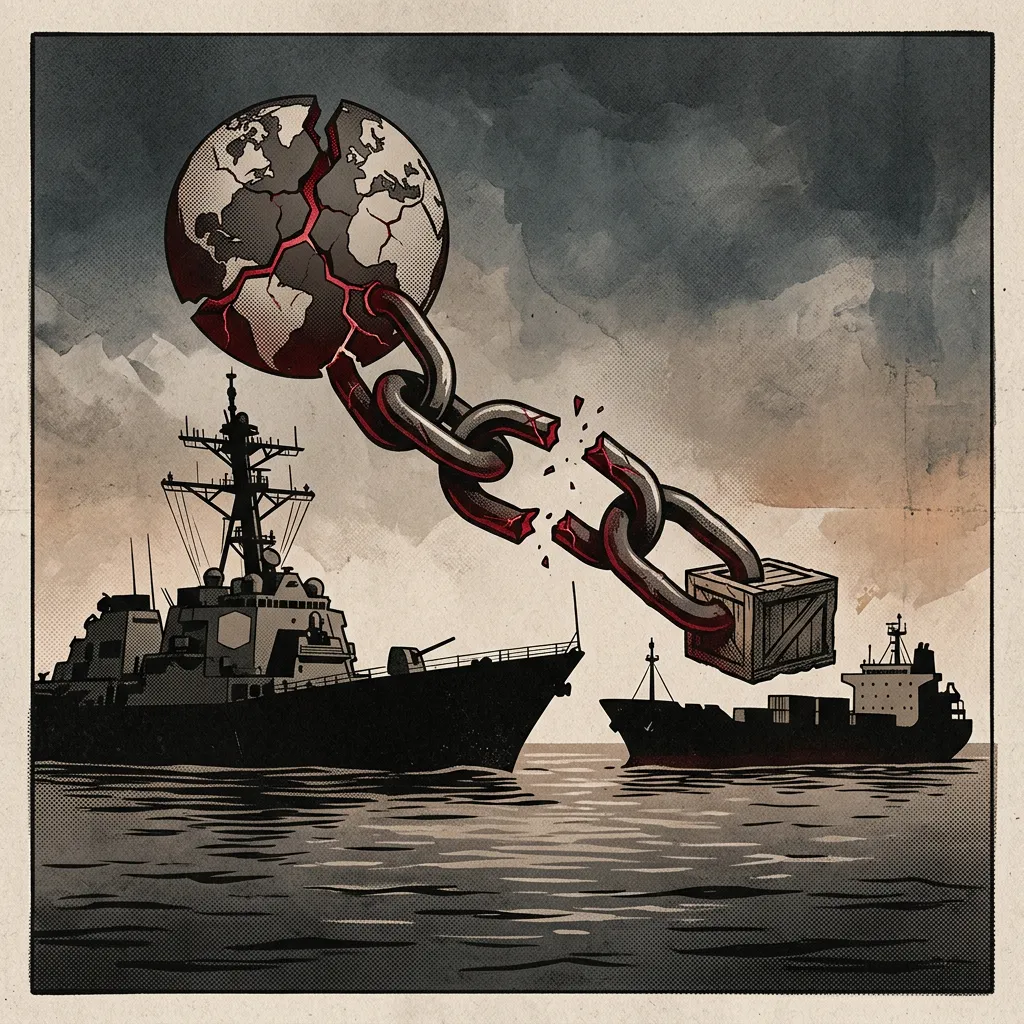
Israel's naval interception of a pro-Palestinian aid flotilla bound for Gaza has drawn widespread international criticism and sparked diplomatic protests. The incident, which occurred in international waters near the Greek island of Crete, involved the seizure of multiple vessels and the detention of activists and journalists. Reports from the scene and official statements reveal sharply conflicting narratives about the legality and nature of the operation, with several nations and advocacy groups labeling it an illegal act while Israeli officials defend it as a necessary security measure.
Regional Reporting and Official Reactions
Middle Eastern coverage, represented by Al Jazeera, frames the event as a provocative raid. Its reporting emphasizes that the interception took place in international waters, a detail presented as a key factor in the resulting international condemnation. The network highlights the detention of its own personnel, with one article quoting Reporters Without Borders (RSF) accusing Israel of 'abducting' journalists. Al Jazeera also gives a platform to activist voices, quoting one participant who described the Israeli action as a 'brutal attack' and vowed it would not deter their mission.
Latin American perspective, provided by Folha de S.Paulo, focuses on the diplomatic response. It reports that Brazil and eleven other nations issued a joint statement condemning the Israeli attack on the 'Global Sumud Flotilla' in the strongest terms and demanding the release of detained activists. The Brazilian outlet characterizes the collective action as declaring the Israeli operation illegal. In a separate report, Folha contextualizes the flotilla incident within broader regional tensions, noting concurrent Israeli airstrikes in southern Lebanon that reportedly killed 15 people, despite an extended ceasefire with Hezbollah.
European reporting from the BBC presents a more measured account, stating the basic facts: Israel intercepted a Gaza-bound flotilla near Crete and detained 175 activists. It notes the activists' claim that the interception in international waters was illegal. The BBC's framing is less accusatory in tone than other sources, focusing on the sequence of events and the numbers involved.
Russian outlet RT provides a detailed narrative heavily critical of Israel. Its report extensively quotes RSF's condemnation of the 'kidnapping' of three journalists and includes activist claims that 211 people were 'kidnapped,' contrasting with the Israeli figure of 175 detainees. RT's article incorporates a social media post describing the operation as 'piracy' and quotes Spanish Prime Minister Pedro Sanchez accusing Israel of violating international maritime law. It also presents the Israeli justification by quoting Prime Minister Netanyahu thanking the navy for intercepting 'Hamas supporters' and Foreign Minister Gideon Saar dismissing the flotilla as a 'PR stunt.'
Framing the Conflict
The core divergence in framing centers on the legality and characterization of the interception. Critics, including the coalition of twelve nations, RSF, and the flotilla organizers, label the action an illegal attack or abduction conducted unlawfully in international waters. This narrative is prominent in Middle Eastern, Latin American, and Russian coverage. The alternative frame, presented by Israeli officials and included in reports like RT's, positions the operation as a legitimate national security measure against a political proviso by Hamas supporters, asserting all detainees were treated safely.
Another key framing difference involves the status of individuals on board. Sources like Al Jazeera and RT emphasize the detention of journalists, framing it as an attack on press freedom. In contrast, the Israeli narrative, as reported, does not distinguish between activists and journalists, grouping all participants as part of the same activist effort. The scale of the event is also framed differently, with organizers and some reports citing a higher number of detainees than the Israeli government acknowledges.
Broader Implications
The incident has escalated into a significant diplomatic issue, mobilizing a coalition of states from Latin America and elsewhere to issue a formal condemnation. The involvement of journalists from major international networks adds a layer of concern regarding media safety and freedom of movement. The simultaneous reporting on violence in Lebanon, as seen in Folha de S.Paulo, illustrates how the flotilla event is perceived by some international observers as part of a wider pattern of Israeli military actions. The call from a European leader to suspend trade agreements indicates the potential for the incident to have tangible economic and political repercussions beyond immediate humanitarian concerns. The recurring nature of such flotilla interceptions, noted in several reports, suggests this event is part of an ongoing, contentious strategy by activist groups and a consistent point of international friction with Israel's maritime blockade of Gaza.