
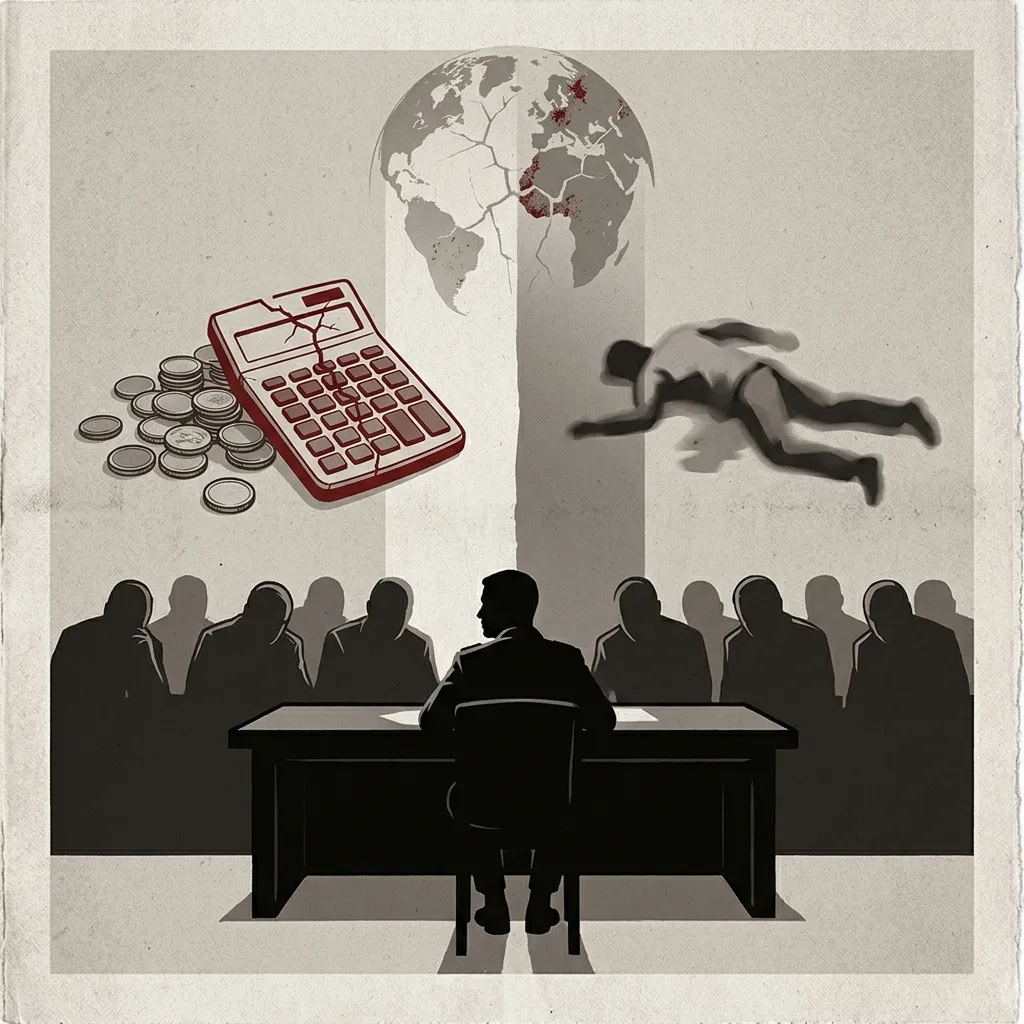
In his first congressional testimony since the start of the Iran war, U.S. Defense Secretary Pete Hegseth faced intense questioning from lawmakers, with the hearing highlighting deep divisions over the conflict's financial and human costs. The session, which lasted nearly six hours according to the BBC, saw Democrats pivot sharply to concerns about civilian casualties, military expenditures, and adherence to international law, while the secretary defended the administration's strategic posture.
The Hindu reported that Democratic legislators immediately focused on the war's escalating financial burden, the significant depletion of U.S. munitions stockpiles, and a specific incident involving the bombing of a school that resulted in child fatalities. This framing presents the hearing as a direct confrontation where lawmakers sought accountability for operational and humanitarian consequences.
The Intercept provided a far more detailed and critical account, framing the hearing within a broader pattern of global civilian harm under the Trump administration. The outlet reported that Secretary Hegseth repeatedly dismissed congressional inquiries about civilian casualties and the U.S. military's compliance with the laws of war. It cited experts and advocacy groups stating that the administration has caused "devastating civilian harm globally" across more than twenty military interventions, with a specific spike in casualties during the president's second term. The Intercept highlighted a claim from the Center for Civilians in Conflict about a "serious reduction" in the Pentagon's capacity and willingness to prevent civilian harm. A central point of contention was the attack on the Shajarah Tayyebeh elementary school in Minab, Iran. The outlet reported that a preliminary U.S. military investigation determined the United States conducted the strike, contradicting prior assertions from President Trump that Iran was responsible. It quoted Representative Adam Smith stating, "We made a mistake," and criticizing the two-month delay in acknowledging it.
BBC News focused on the procedural and political dynamics of the lengthy hearing, describing it as a session where Hegseth "sparred" with Democratic lawmakers. This framing emphasizes the contentious atmosphere and the secretary's first official accounting under oath since the war began, without delving into the specific allegations of civilian harm to the degree The Intercept did.
Framing the Conflict The sources diverge significantly in their narrative emphasis. The Hindu presents a concise, fact-based summary of Democratic lawmakers' primary lines of inquiry—cost, resources, and a specific tragic incident. The BBC similarly focuses on the political theater of a marathon hearing but with a more neutral, institutional tone. The Intercept, in contrast, embeds the hearing within a sweeping indictment of the administration's foreign policy, using testimony as a springboard to detail allegations of widespread civilian deaths, the erosion of harm mitigation protocols, and potential war crimes. It actively contrasts official statements with findings from NGOs like Airwars and Amnesty International, which cite civilian death tolls in Iran exceeding 2,000, including the school attack. The Intercept also notes Hegseth's reported statement that "The Department of War fights to win" in response to questions about offering enemies "no quarter," a phrase associated with war crimes.
In conclusion, the testimony served as a focal point for escalating domestic debate over the Iran war. While mainstream outlets documented the political confrontation and key concerns, independent reporting used the event to anchor a broader critique of the administration's global military footprint and its humanitarian consequences. The hearing underscored a fundamental clash between the executive branch's prosecution of the war and legislative branch demands for transparency and accountability, particularly regarding the rules of engagement and the investigation of civilian casualties.