
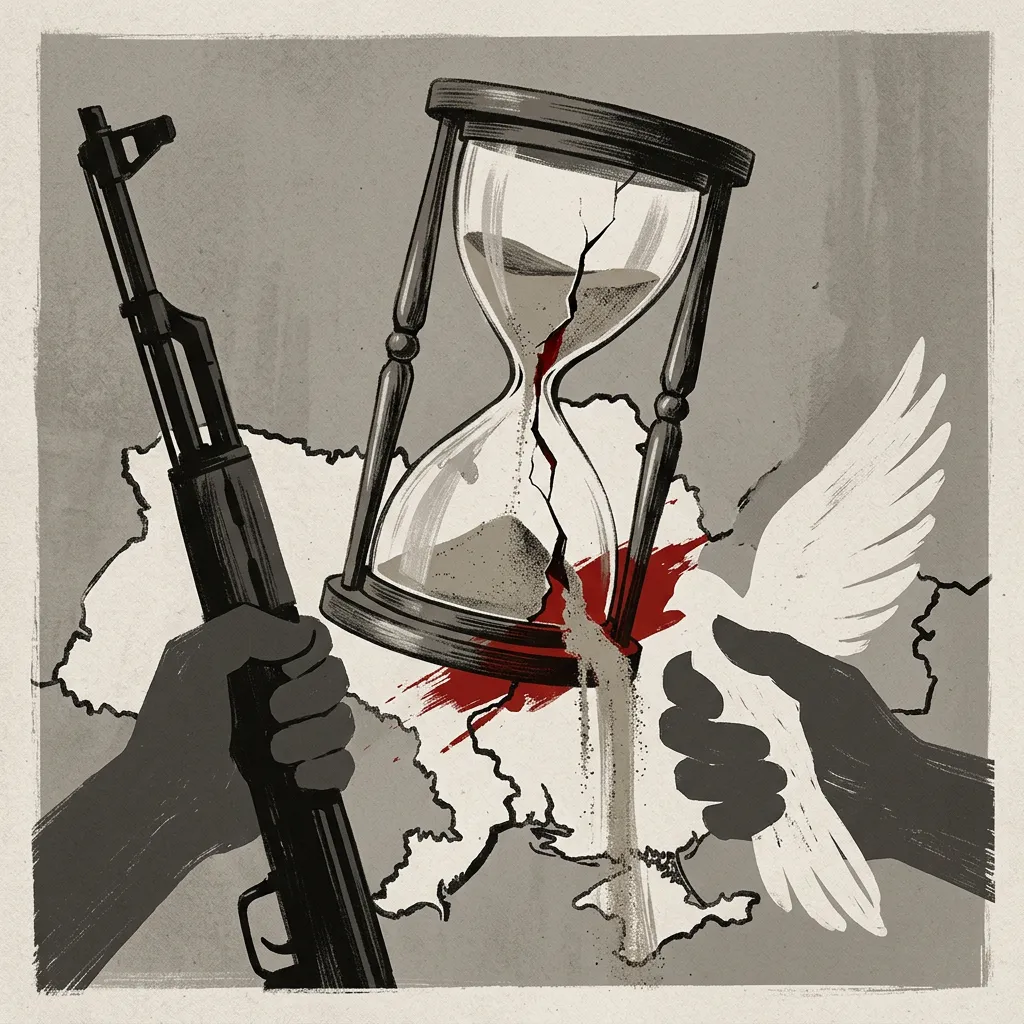
A three-day ceasefire, brokered by the United States, is facing significant challenges on its second day as both Russia and Ukraine accuse each other of multiple violations, casting doubt on the truce's viability and the potential for broader peace negotiations. The agreement, which reportedly came into effect on Saturday, has been marred by reports of attacks and a war of words, even as a major prisoner exchange is reportedly being prepared and allegations of systemic abuse in Russian detention facilities surface.
Reports from multiple outlets, including Reuters via the Daily Maverick and Brazil's Folha de S.Paulo, confirm that the ceasefire is under serious strain. Both sources describe the parties trading accusations of violating the deal through attacks over the weekend. Folha de S.Paulo explicitly frames the ceasefire as a three-day initiative announced by U.S. President Donald Trump, noting it entered a risk phase on Sunday. Al Jazeera provides specific claims from the Russian side, reporting that Moscow alleges Ukrainian forces have committed more than 1,000 violations since the truce began and states that Russian actions resulted in the deaths of three Ukrainians within a 24-hour period.
Amidst the mutual recriminations, other narratives are emerging. The Hindu reports that Ukrainian President Volodymyr Zelenskyy announced preparations for a significant prisoner exchange involving 1,000 prisoners of war with Russia. This development suggests a potential confidence-building measure proceeding in parallel with the fragile truce. However, a starkly different perspective on the treatment of captives is presented by Argentina's Clarín. Their report, citing ex-jailers, NGOs, and the OSCE, alleges that thousands of Ukrainian soldiers and civilians face physical violence, torture, disappearances, and isolation in Russian prisons. The article references a 2025 OSCE report, citing Ukrainian authorities, which claims 89% of released individuals reported mistreatment, including sexual violence in 42% of cases. This framing highlights alleged war crimes and the humanitarian dimension of the conflict, contrasting with the tactical discussions of ceasefire violations.
A separate Al Jazeera analysis adds a layer of geopolitical speculation, reporting that Russian President Vladimir Putin has hinted at potentially ending the war amid the US-backed ceasefire, suggesting peace talks could progress while noting that broader negotiations remain stalled. This framing introduces the question of strategic timing and Moscow's potential motivations for engaging with the truce.
Framing the Conflict
The sources frame the core event—the faltering ceasefire—through distinct regional and editorial lenses. The Daily Maverick (sourcing Reuters) and Folha de S.Paulo present a straightforward, factual account of mutual accusations, with Folha emphasizing the U.S. role and Trump's personal involvement. Al Jazeera's news reports provide granular, claim-based reporting, giving specific figures from Russian allegations (1,000+ violations, three killed) which, while attributed, center the Russian military narrative in those specific headlines. The Hindu isolates a potentially positive development—the prisoner exchange—without directly linking it to the ceasefire tensions. Clarín shifts the focus entirely from battlefield violations to the alleged systemic abuse of prisoners, framing the conflict through a human rights and humanitarian law lens. The Al Jazeera analysis piece steps back to consider Putin's possible strategic calculus, framing the ceasefire within the context of high-stakes diplomacy and potential political maneuvering.
In conclusion, the synthesis of reports depicts a multilayered situation where a diplomatically fragile ceasefire exists alongside parallel processes of prisoner negotiation and serious allegations of wartime atrocities. The diverging reports underscore the complexity of the conflict, where military actions, diplomatic gestures, and humanitarian crises are deeply intertwined. The durability of the truce appears uncertain, challenged not only by immediate battlefield accusations but also by the profound mistrust and alleged abuses highlighted in international reports. The broader implication is a conflict where any temporary pause in fighting remains vulnerable to collapse, as underlying grievances and alleged crimes continue to fuel hostility and complicate the path to a sustained peace.