
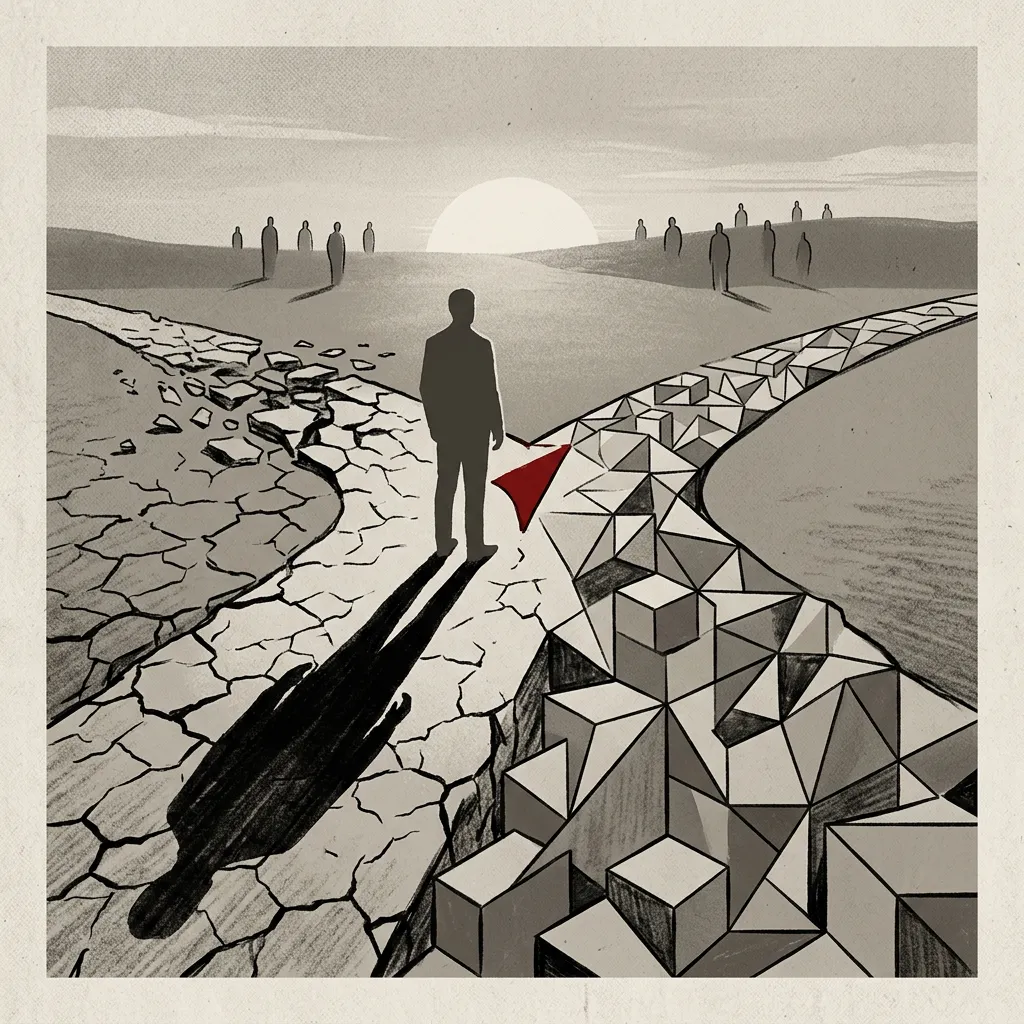
Dozens of European and allied leaders convened in Yerevan, Armenia, this week for a summit of the European Political Community, a meeting framed by sources as a pivotal moment for Armenia's geopolitical reorientation. The gathering, which also included a separate Armenian-EU summit, highlighted Western outreach to a nation traditionally within Russia's sphere of influence. Coverage diverges significantly on the summit's primary narrative, ranging from a conscious Armenian choice toward Europe, a Western show of unity against a changing global order, to a European effort to pull a country away from Russian control.
Le Monde frames the event around a definitive strategic shift by Armenia. The French publication centers on a statement by President Emmanuel Macron, who declared that Armenia has chosen a path 'toward Europe,' explicitly moving away from Russia. The report positions the summit as a milestone confirming this reorientation, with the presence of dozens of European leaders serving as a collective endorsement. The narrative is one of agency and choice, with Armenia portrayed as actively seeking a new European future, facilitated by high-level diplomatic engagement from the EU and member states like France.
The Hindu provides a different focal point, analyzing the summit through the lens of broader Western geopolitical anxieties. Its report emphasizes the shadow of a potential second term for former U.S. President Donald Trump, suggesting the gathering was an effort by Europe and Canada to 'pull together' in the face of a world they fear is becoming more 'transactional, insular, and brutal.' This framing, drawn from a quote by the Canadian Prime Minister, positions Yerevan not just as a venue for engaging Armenia but as a platform for Western democracies to reaffirm a cooperative, rules-based international model. Armenia's situation is contextualized within this larger strategic consolidation among Western partners.
Clarín offers a more direct and interventionist interpretation of the summit's purpose. The Latin American outlet describes the event as Europe's attempt to 'rescue' Armenia from Russian control. Its language is more stark, characterizing the EU's involvement as a 'backing' or show of support for an Armenian government actively seeking to distance itself from Moscow and move closer to the West. This framing implies a more active Western role in facilitating the shift, presenting the summit as a deliberate geopolitical maneuver by Brussels to extract a partner from a rival's orbit.
Framing the Engagement The three sources agree on the summit's basic facts—a major gathering in Yerevan with European and allied leaders—but construct distinct narratives around its meaning. Le Monde presents a story of Armenian sovereignty and choice, with Europe as a welcoming destination. The Hindu sees a story of Western unity and resilience, using the summit to signal continuity of a specific world order. Clarín narrates a story of geopolitical competition, where Europe is actively working to pull a country into its own sphere of influence, directly challenging Russia's regional dominance. These framings reflect different regional perspectives: a European view focused on partnership and enlargement, a Global South view attentive to Western bloc cohesion under U.S. political uncertainty, and a Latin American view often sensitive to narratives of great power intervention and sphere-of-influence politics.
In conclusion, the Yerevan summit emerges as a multifaceted event whose significance is interpreted through the prism of the observer's geopolitical standpoint. For European media, it marks a validation of the EU's attractive power and a partner's sovereign decision. For observers in India, it is a barometer of transatlantic solidarity in uncertain times. For outlets in Latin America, it exemplifies ongoing great power contests for influence in post-Soviet spaces. The synthesis of these reports reveals not just a diplomatic meeting, but a canvas onto which broader anxieties and ambitions about the structure of international relations are projected.