
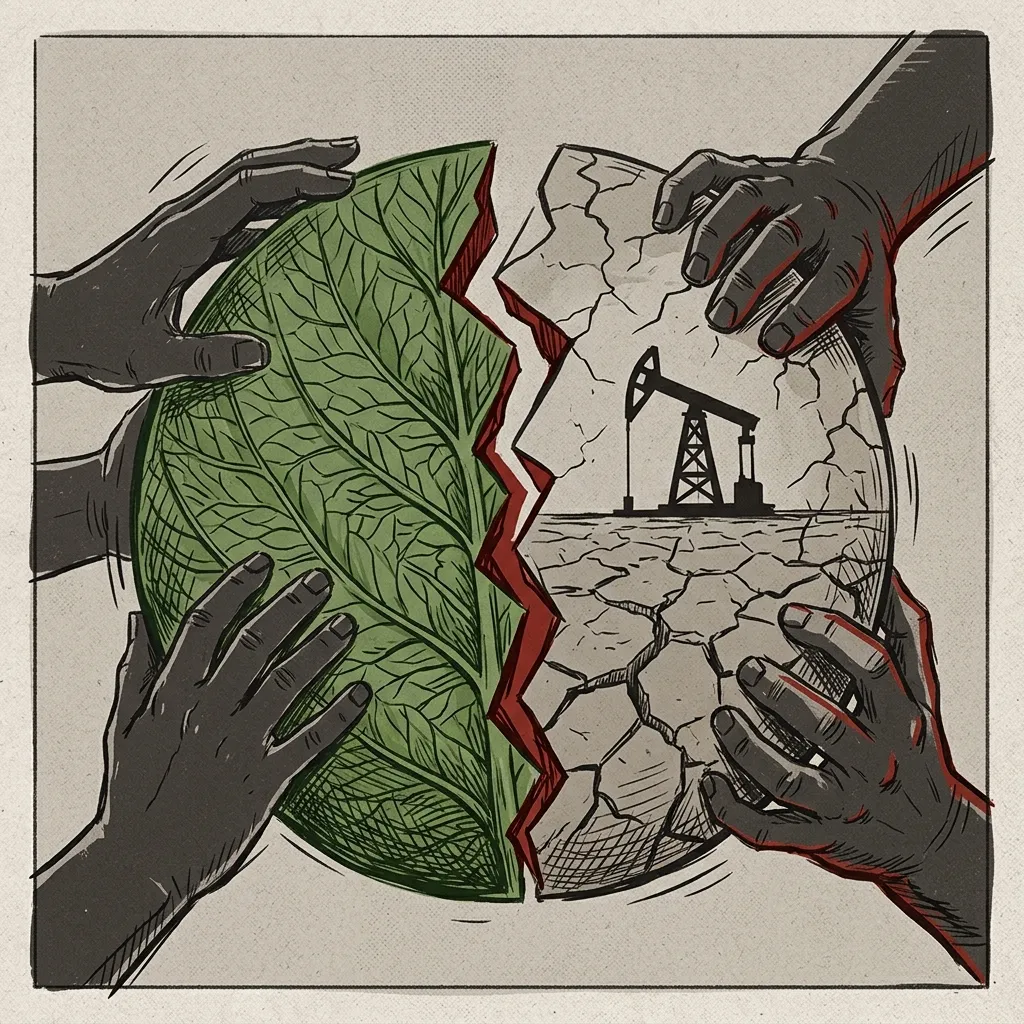
An international conference in Colombia dedicated to phasing out fossil fuels concluded this week, bringing together dozens of countries for discussions that underscored both a collective ambition and deep-seated global divisions on the path to a post-carbon economy. The First International Conference for the Transition Away from Fossil Fuels, held in Santa Marta, Colombia, and co-hosted by the Netherlands, gathered representatives from 57 nations. While framed by organizers as a historic step towards serious, pragmatic dialogue on ending the fossil fuel era, the proceedings revealed starkly different priorities between climate-vulnerable nations, major oil producers, and developing economies reliant on extraction for growth.
European Perspective: A 'Suicidal' Model The European coverage, exemplified by Le Monde, framed the conference as a direct confrontation with what it termed a 'suicidal' global energy model. The report emphasized the gathering's foundational purpose: to seriously address the primary driver of climate change after decades of UN climate talks that often skirted the core issue. The language used is unequivocal, presenting the continued reliance on fossil fuels as a path to self-destruction, a framing that aligns with the ambitious climate policies of the European Union. The report positions the Colombia summit as a necessary, parallel track to the often-gridlocked UNFCCC process, born from frustration with the slow pace of official negotiations.
African Perspective: Defending Development Needs In contrast, Africanews focused its reporting on the tensions exposed at the summit, particularly the stance of oil-rich African nations. Its coverage highlighted that several African producers explicitly defended their right to continue drilling for oil to support economic growth and development. This narrative centers on the "fiscal realities" for developing nations, framing the climate transition not just as an environmental imperative but as a profound economic challenge. The report implicitly questions the feasibility of a uniform, rapid global phaseout, giving voice to the argument that energy poverty and economic stability are immediate concerns that must be balanced against long-term climate goals. The framing is one of pragmatic necessity rather than resistance to the transition itself.
Latin American Perspective: A Historic, Action-Oriented Forum The Latin American independent source, Agência Pública, provided the most detailed and celebratory account of the conference, portraying it as a historic breakthrough. It emphasized that the summit succeeded in placing fossil fuels "at the center of the debate" in a direct, honest, and pragmatic manner for the first time. The reporting delves into the political genesis of the event, linking it directly to the impasse at the previous year's COP30 in Belém, Brazil, where a proposal for national "roadmaps" away from fossil fuels was blocked. The narrative presents the Colombia conference as a "coalition of the willing," a proactive workaround to the consensus-based paralysis of the UN process. It quotes Colombian Environment Minister Irene Vélez Torres framing the gathering as an exercise in "multilateralism without de facto vetoes," powerful enough due to the collective economic weight of the participating countries, who represent a significant share of global GDP and oil consumption.
Framing the Core Conflict The divergent reports crystallize around three central conflicts. First is the diagnosis of urgency: Le Monde and Agência Pública frame fossil fuel dependence as an existential, immediate crisis ("suicidal," a "threat to energy security"), while Africanews highlights it as one priority among others, including pressing developmental needs. Second is the perception of the forum: The Latin American source sees it as a groundbreaking, action-oriented space free from procedural shackles; the European source views it as a necessary corrective to failed diplomacy; and the African report treats it as an arena where competing interests are aired. Third is the definition of equity: For some, equity means wealthy nations moving first and fastest; for the African producers cited, it means the right to utilize natural resources for development, a tension left unresolved by the conference's format.
In conclusion, the Santa Marta conference succeeded in its primary aim of creating a dedicated space for frank discussion on the fossil fuel phaseout, but the reporting on its outcomes reveals the profound fissures that any global transition plan must bridge. The event highlighted a growing coalition, primarily of climate-vulnerable and European nations, pushing for accelerated action outside traditional UN channels. However, it equally underscored the formidable opposition and complex conditions from resource-dependent economies. The summit may have built a "second layer of foundation," as the Dutch minister stated, but the blueprints for the house remain contested, reflecting a world divided on the speed, cost, and very definition of a just energy transition.