
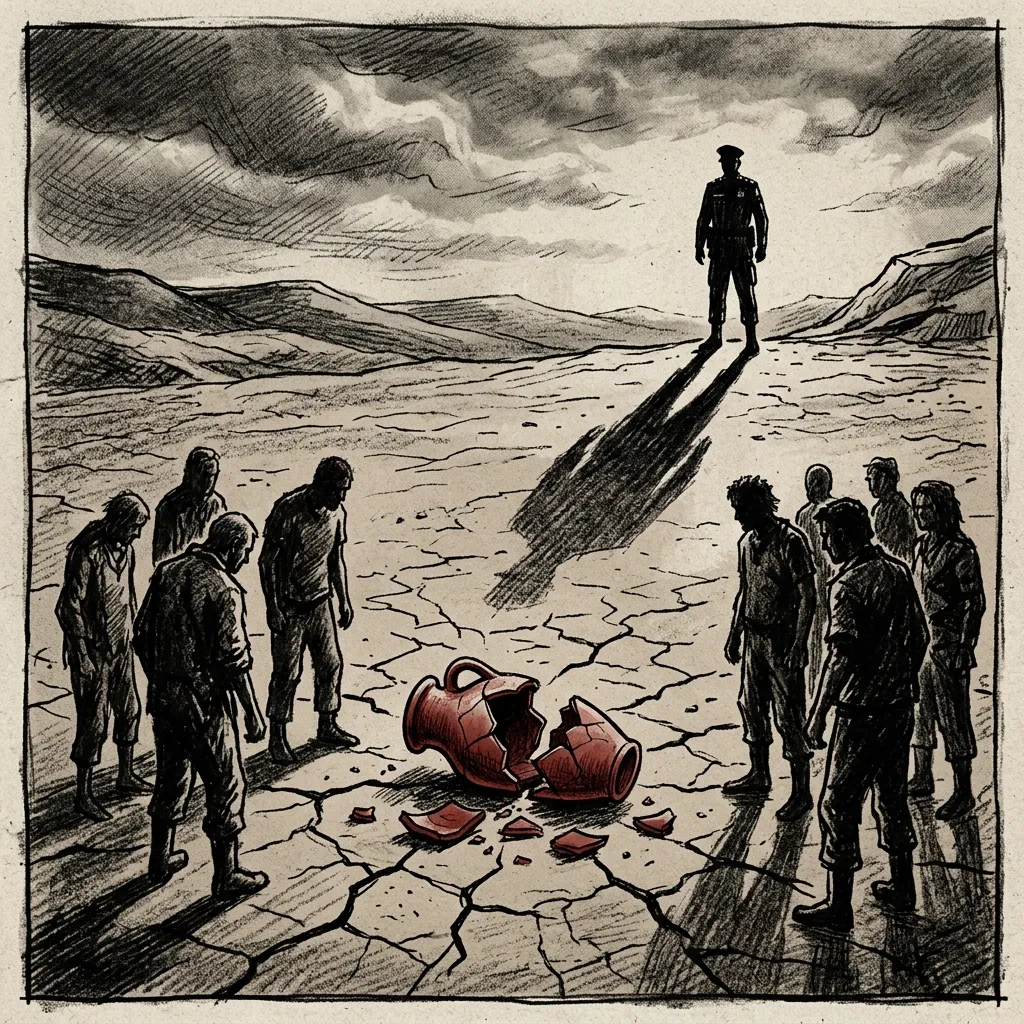
Intercommunal violence in eastern Chad has resulted in significant casualties, with multiple sources reporting at least 42 people killed and several injured. The fighting, centered in the province of Ouaddaï, is attributed by officials to disputes over access to water resources. The Chadian military has intervened in the area, with government statements asserting the situation is now under control.
Reports on the origins of the conflict show a common thread but with slight variations in framing. The BBC specifies that the violence began as a dispute between two families before escalating into a broader cycle of retaliatory attacks. Africanews and Al Jazeera's news report describe the clashes more broadly as intercommunal fighting sparked by competition for water, without detailing the initial familial dispute. All sources agree that the scarcity of water was the central catalyst for the violence.
The broader context of water as a target and trigger in conflicts is addressed by a separate Al Jazeera analysis piece. This report explores a global trend, examining why water infrastructure is increasingly targeted during wars and how such actions worsen scarcity crises. While not directly commenting on the Chad incident, this framing places local violence within a wider pattern of water being weaponized and becoming a source of conflict, particularly in regions under strain from climate change and weak governance.
The response from authorities is reported consistently. The Chadian army deployed to the affected zone to quell the violence. A government spokesperson characterized the situation as being brought under control, a point reported by both Al Jazeera and Africanews. The reports do not provide further details on long-term measures to address the underlying water scarcity issue that fueled the clashes.
In summary, the immediate reporting on the event aligns on the death toll, cause (water disputes), and state response. The primary divergence lies in the specificity of the conflict's origin (family dispute vs. general intercommunal strife) and the presence of a separate analytical piece that frames such incidents as part of a disturbing global phenomenon where water is both a casualty and a cause of conflict.