
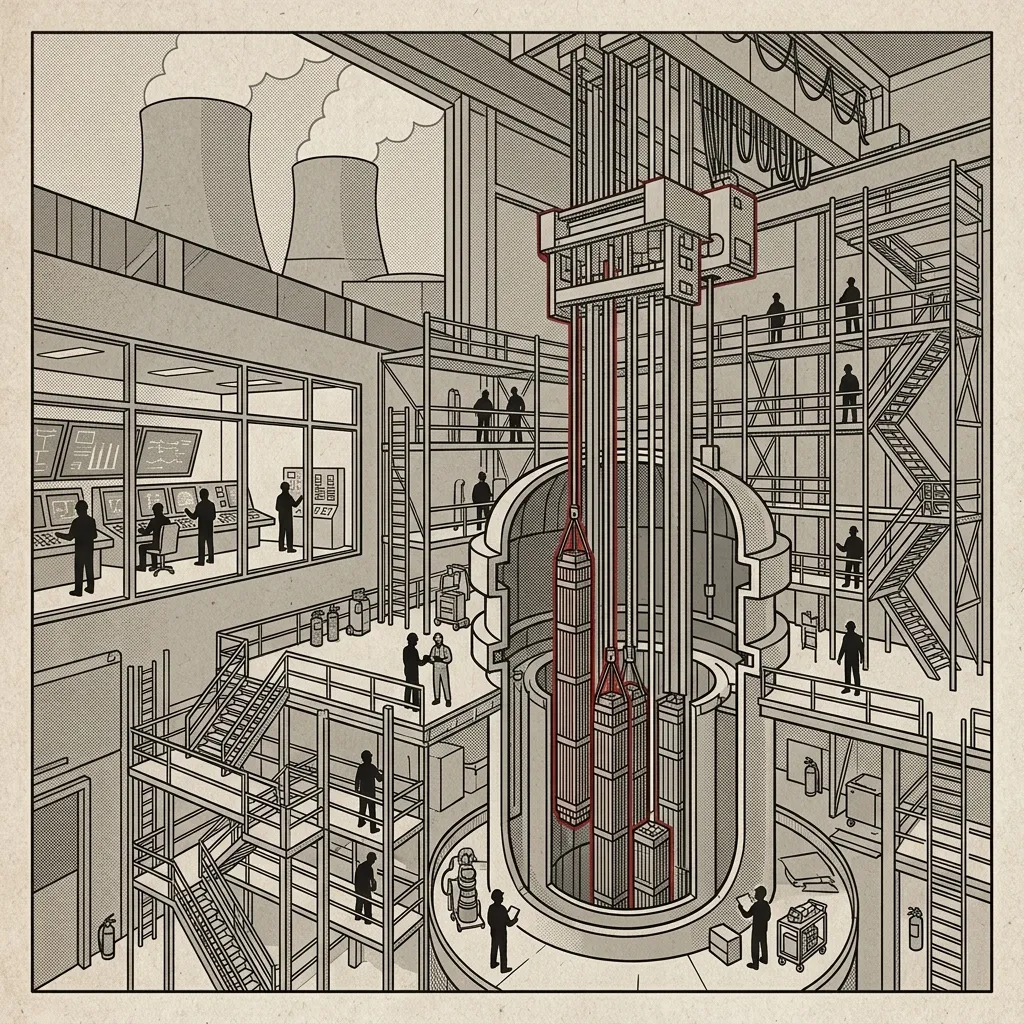
Bangladesh has commenced fuel loading at its inaugural nuclear power facility in Rooppur, marking a significant milestone in the South Asian nation's energy infrastructure development. The process began on Tuesday at the plant located approximately 160 kilometers from the capital, Dhaka.
According to Bangladesh's Ministry of Science and Technology, commercial electricity generation will begin on a trial basis following the fuel loading phase. The facility represents the country's most expensive infrastructure undertaking to date, with total costs estimated at $12.8 billion.
The project involves constructing two reactor units, each designed to generate 1,200 megawatts of capacity. Russian state corporation Rosatom is providing the technology, equipment, nuclear fuel, and engineering support for the facility. Moscow has extended $11.9 billion in state loans to finance the project, representing the overwhelming majority of its total cost.
Rosatom CEO Aleksey Likhachev characterized the development as Bangladesh joining "the club of states that use peaceful nuclear energy as a reliable source of sustainable development." He described the project as "another important step in the development of global nuclear power and in strengthening friendly relations with our foreign partners."
The Bangladesh Atomic Energy Commission is implementing the project. Once operational, the plant is projected to supply up to 12% of the country's electricity demand.
The timing of the plant's development comes as Bangladesh faces recurring energy challenges. The national grid experiences significant strain annually during summer months when air conditioning usage surges, according to Indian reporting. The country has also recently confronted fuel shortages affecting its population of 170 million.
The Rooppur facility represents Bangladesh's entry into nuclear power generation, a technology already utilized by several nations in South Asia and beyond. The project's scale and foreign financing structure make it a landmark development in the country's energy sector.
Russian involvement extends beyond financial backing to encompass the full technical implementation of the project, from reactor design to fuel supply arrangements. This comprehensive partnership reflects broader patterns of Russian nuclear technology exports to developing nations seeking to expand their energy generation capacity.
The plant's expected contribution of 12% to national electricity demand could provide meaningful relief to a grid system that has struggled to meet peak demand periods. However, the transition to commercial operation will occur gradually through a trial phase, with full capacity expected to come online over time as both reactor units become operational.